If you have noticed dark patches on walls, musty odours in rooms, or damp marks around windows, you may be wondering what causes black mould and how to stop it before it becomes a serious issue. Black mould is one of the most common problems in UK homes, especially in areas with poor ventilation, excess moisture, cold temperatures, or long-term dampness. It can affect rooms of all sizes and ages, from modern apartments with double glazing to older houses dealing with rising damp or penetrating damp.
Understanding the science behind mould growth, the conditions that allow mould spores to spread, and the reasons black mould thrives in certain environments will help you protect your home and your health. Black mould is more than a cosmetic problem; left untreated, it can cause respiratory conditions, worsen allergies, damage building materials, and even impact the immune system of vulnerable individuals.
Below, we explore the key causes behind the issue, the risks of black mould exposure, and the practical steps needed to prevent mould from returning.
Why Mould Growth Thrives in UK Homes
To understand mould growth, you need to understand how mould behaves. Mould is a natural organism made up of microscopic spores. These spores exist everywhere… in the air, on surfaces, and even in areas you cannot see. On their own, mould spores are harmless. Problems arise when the environment gives them what they need for mould to grow: warmth, moisture, darkness, and a food source.
UK homes, especially during winter, create the perfect mix for mould growth. Warm indoor air meets cold surfaces, producing water droplets. The combination of moist air and organic materials such as plaster, timber, wallpaper, and even dust provides mould with everything it needs to multiply.
Once mould settles on a surface, particularly a damp one, it spreads quickly. This is why one small patch can turn into widespread black mould growth if not addressed correctly.
What Black Mould Looks Like and How It Spreads
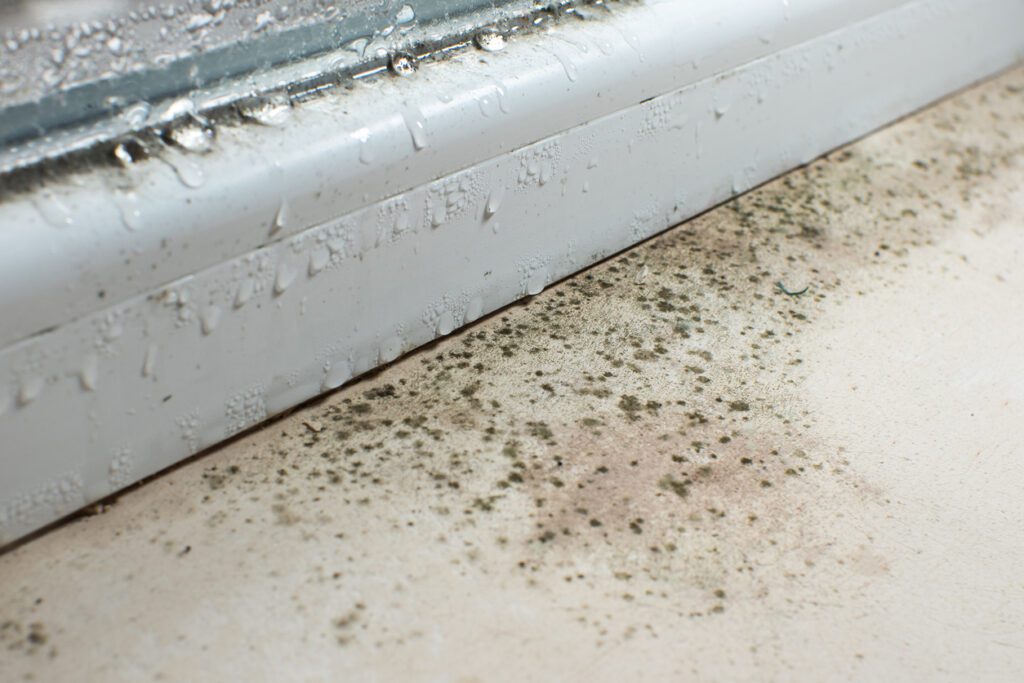
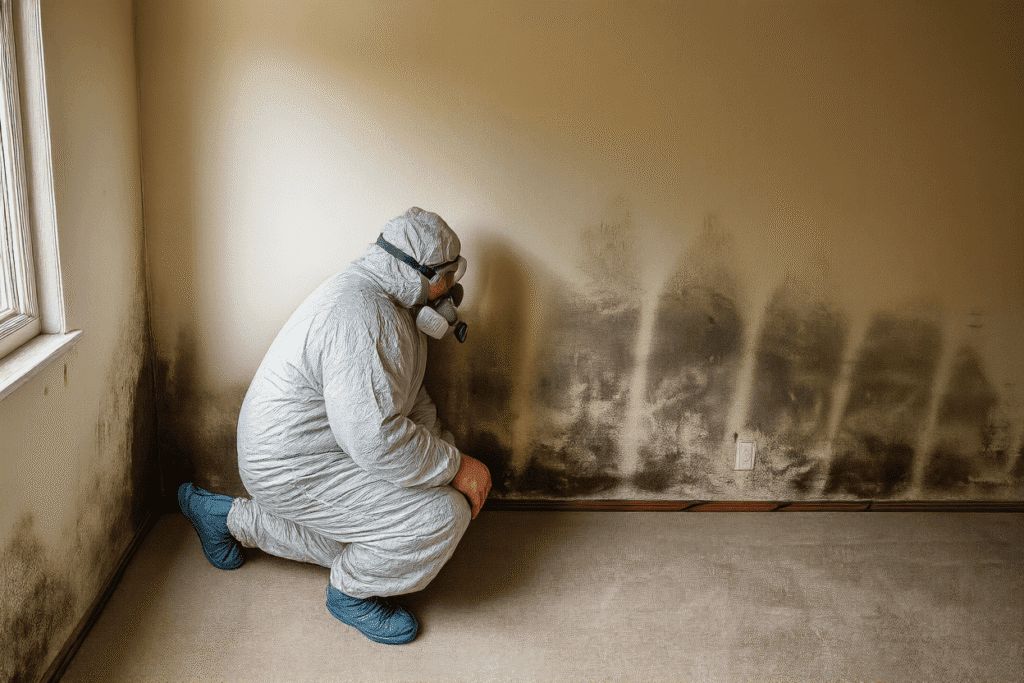
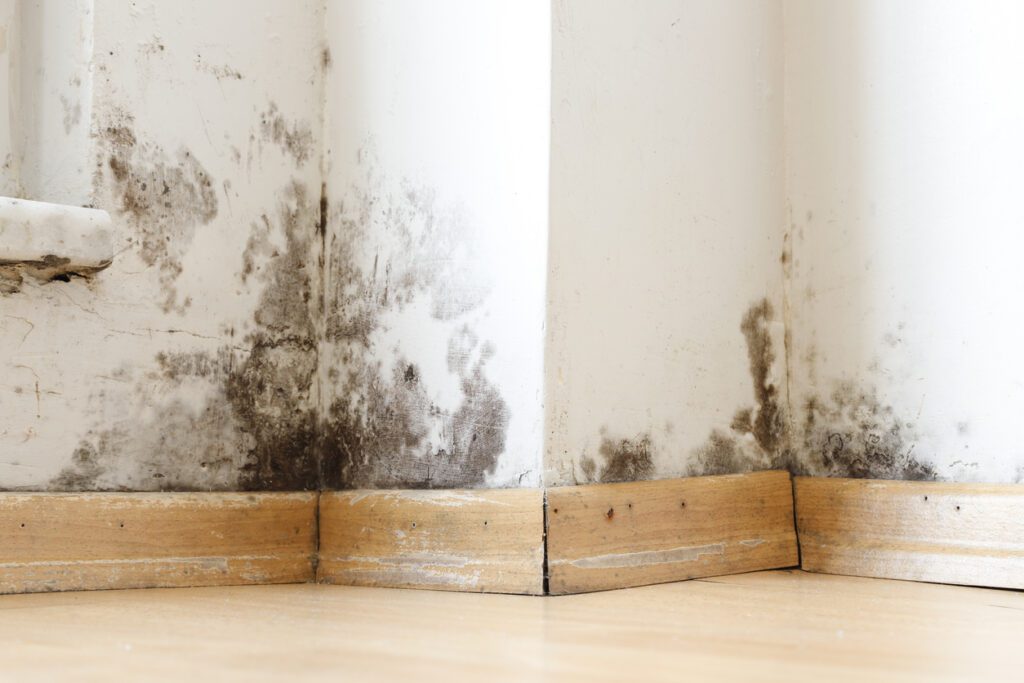
Black mould often appears as dark spots, streaks, or clusters on walls, ceilings, and around window frames. Some forms of black mould may appear dark green or almost brown, depending on the moisture content and surface type. The most well-known species is Stachybotrys Chartarum, often referred to as toxic black mould, which can produce harmful substances when allowed to grow extensively.
Black mould spreads when black mould spores settle onto surfaces with adequate moisture. These spores multiply rapidly on moist surfaces, especially those exposed to poor airflow or limited fresh air. Areas behind furniture, inside cupboards, around windows, and in corners are prime breeding grounds because they trap moisture-laden air.
Mould can also form behind walls where water leaks or water ingress occurs, often going unnoticed until the mould problem becomes severe. This is why a property survey is sometimes required when tracking down deeper, hidden sources of damp.
Why Moisture and Condensation Are the Main Culprits For Black Mould Growth
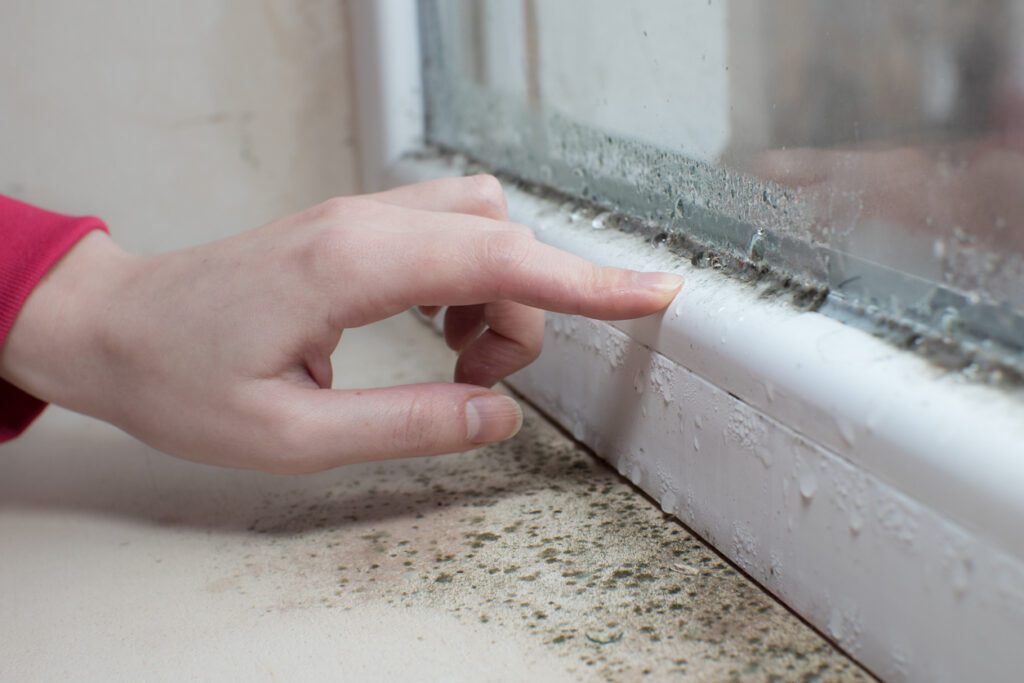
The most common reason for black mould growth in homes is excess condensation. When warm moisture in the air hits cold surfaces, the damp air condenses into tiny droplets. These droplets feed the mould, and as the cycle continues, the mould spreads more aggressively.
Rooms with high humidity, such as bathrooms, kitchens, and laundries where washing and clothes drying take place, are particularly vulnerable. Everyday activities such as showering, cooking, and boiling water release huge amounts of water vapour into the air. Without enough ventilation, this vapour settles onto surfaces and encourages black mould to grow.
Mould also thrives in homes with reduced airflow due to tightly sealed windows, weather stripping, or double glazing. While these features improve energy efficiency, they also reduce the natural exchange of fresh air, allowing damp air to linger indoors.
Why Mould Appears in the Dampest Room in the House
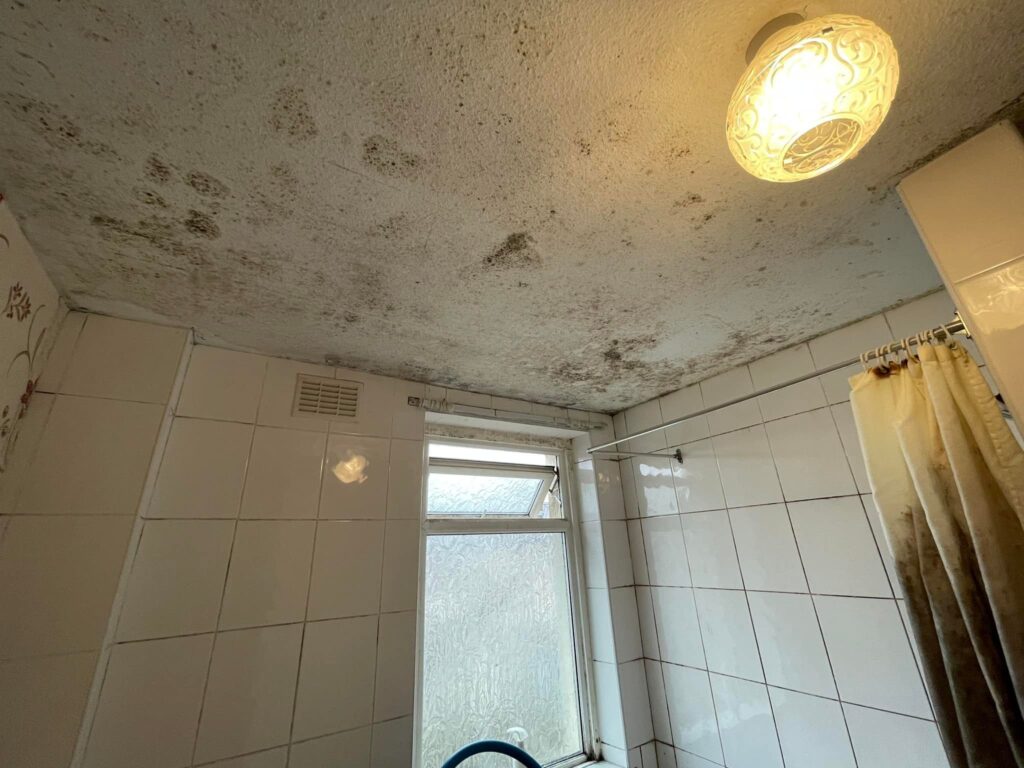
It’s no surprise that bathroom ceilings are one of the most common areas to develop mould. Hot showers release large volumes of moisture-laden air, which rise and settle on the cold ceiling surface. Without an effective extractor fan, moisture becomes trapped, allowing black mould to take hold.
Soap residue, dust, and the porous texture of painted ceilings also provide perfect conditions for mould to cling to. Over time, the dampness penetrates deeper into the surface, making the stains more stubborn and harder to treat.
Bathrooms are also susceptible to hidden moisture behind tiles, around sinks, and near the bath or shower tray. If these areas develop small leaks, the surrounding surfaces become damp enough to support mould.
Understanding the Health Risks Of Harmful Black Mould
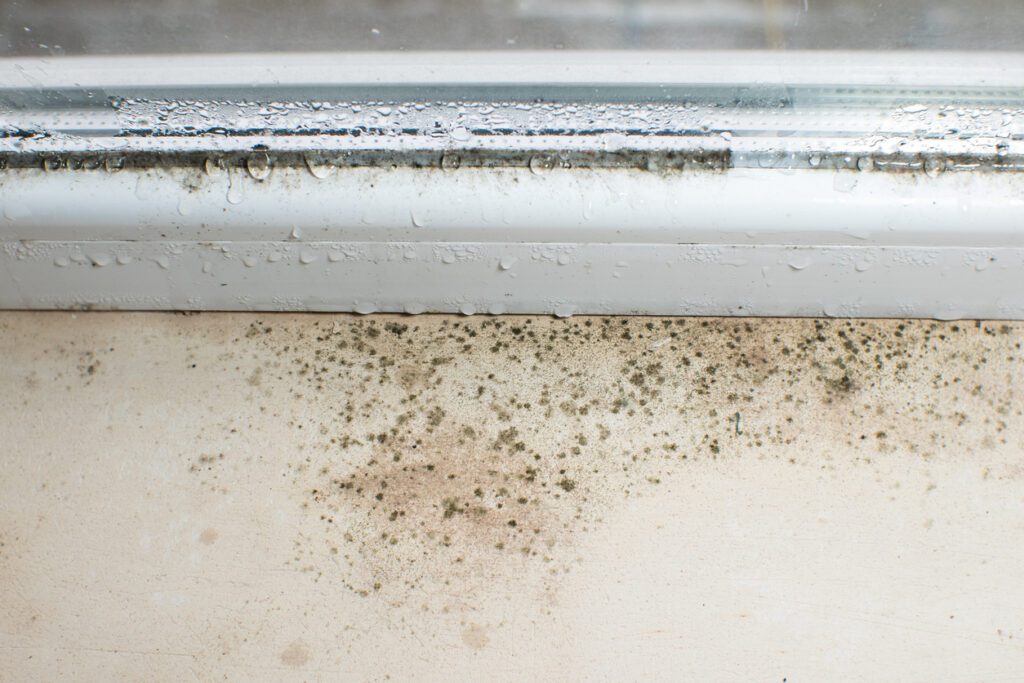
Homeowners often ask whether black mould harmful exposure is something to worry about. The answer is yes. Prolonged mould exposure can affect both your property and your health, especially for people with weakened immune systems or existing respiratory problems.
Common symptoms linked to mould exposure include headaches, coughing, sneezing, wheezing, runny nose, irritated skin, sore throat, and even aggravated asthma. Some individuals can develop an allergic reaction to mould spores.
While not every black mould species is dangerous, certain strains, such as Stachybotrys Chartarum, can produce toxins under the right conditions. This is why mould issues should be addressed quickly rather than ignored.
The Conditions That Accelerate Mould Spread
For mould to grow, it needs a combination of five main factors: moisture, warmth, darkness, oxygen, and something to feed on. Almost every home provides these conditions unless steps are taken to minimise moisture and increase airflow.
Even small areas of dampness or moist surfaces, such as around windows, behind furniture, or on bathroom tiles, can encourage mould. Once mould takes hold, it releases more spores into the air, which settle elsewhere and repeat the cycle.
Why DIY Solutions Often Fail
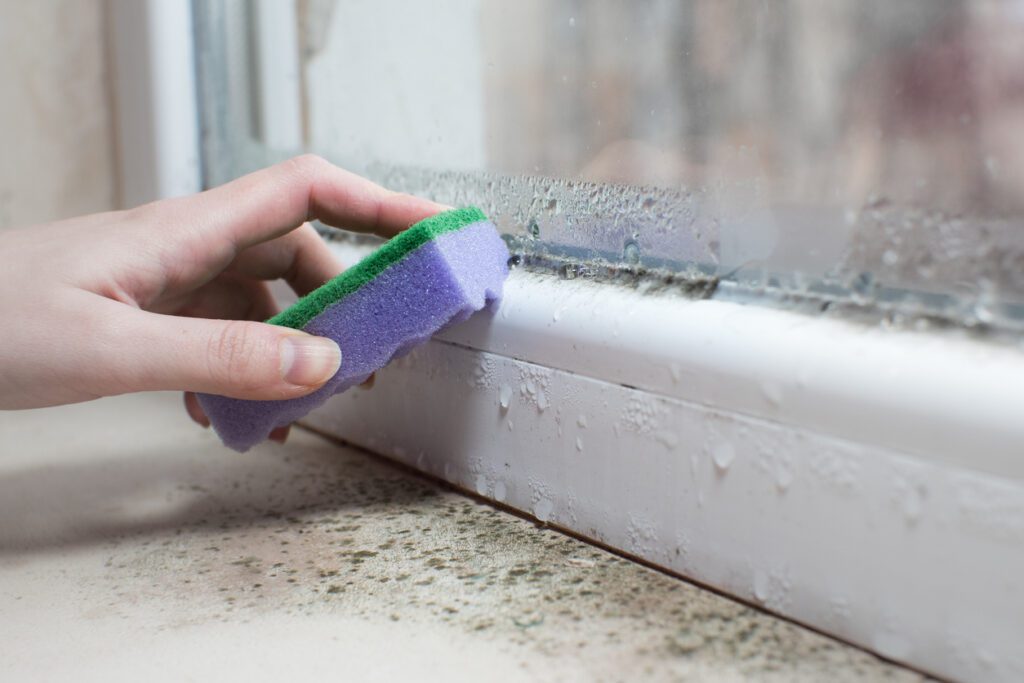
A true mould problem cannot always be solved with household products alone. Wiping mould with a wet cloth may remove the surface stains, but it does not kill the spores fully. If the root cause is not addressed, whether condensation, leaks, or lack of airflow, the mould will quickly return.
Professional treatment targets both the visible mould and the underlying cause, ensuring the affected areas are thoroughly cleaned, dried, and protected.
One of the Most Effective Mould Prevention Methods Is To Improve Ventilation
One of the best ways to prevent mould returning is to improve ventilation. Opening windows regularly, using trickle vents, keeping internal doors open, and ensuring airflow around furniture help reduce moisture levels. Using an extractor fan during showers or cooking also prevents moisture in the air from settling on surfaces.
Airflow and reduced indoor humidity stop black mould from growing by creating an environment where mould cannot thrive.
Contact Our Mould Removal Experts
To summarise, the main reason black mould grows in homes is moisture. The combination of moisture, cold walls, poor airflow, and food sources such as dust and plaster ensures ideal conditions for mould.
The key to preventing the issue is not just cleaning mould when it appears, but controlling the causes of black mould so you stop it from returning.
If you are dealing with a black mould problem, our specialists can help. We identify the source, treat mould safely, and prevent it from returning. Contact us today for expert mould removal and long-term protection for your home.