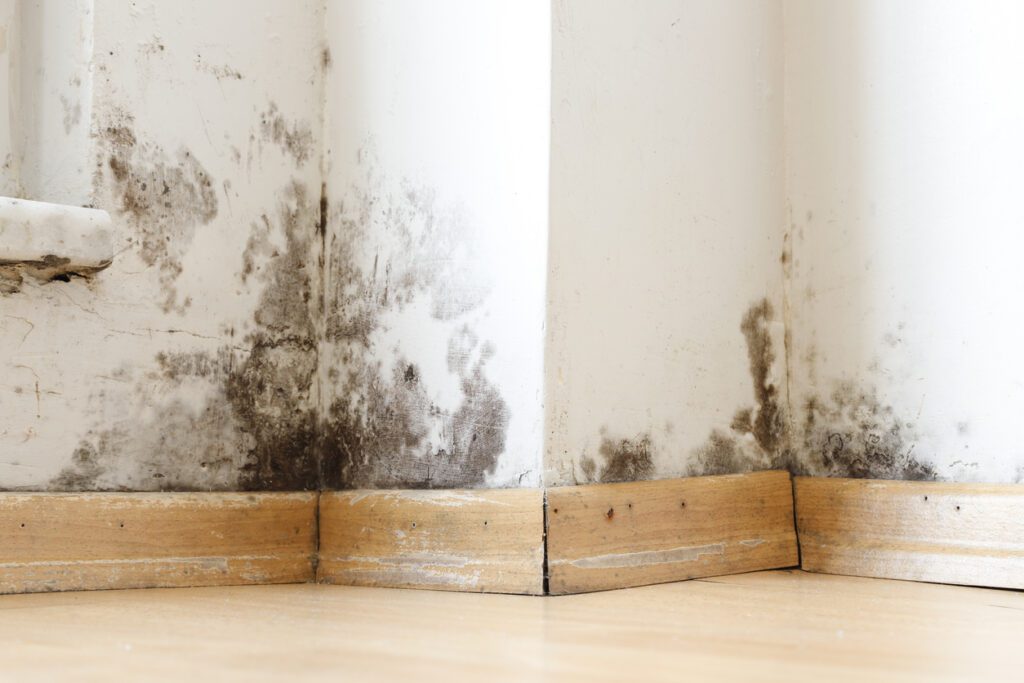
If you are searching for advice on how to get rid of black mould, it usually means you’ve spotted dark patches on your walls, window frames, ceilings, or other affected surfaces. Black mould can release microscopic mould spores into the air, worsen indoor air quality, trigger allergies, and cause breathing problems, especially in homes with poor ventilation or ongoing damp issues.
Many people try wiping the affected area with a damp cloth, using household cleaning products, or following DIY remedies. While these may temporarily remove marks, they rarely get rid of mould completely. The deeper root causes, moisture, dampness, trapped condensation, leaks, or structural problems, remain untouched. Unless the cause is treated, the mould growth always returns.
This is why the safest, most effective way to remove black mould is to rely on trained specialists who understand how mould behaves, how quickly it can spread, and what’s required to stop it permanently. Below, we explore the reality behind removing mould, the risks of DIY methods, and why professional help ensures your home stays healthy, dry, and mould-free.
Understanding What You’re Up Against With Black Mould In Your Home
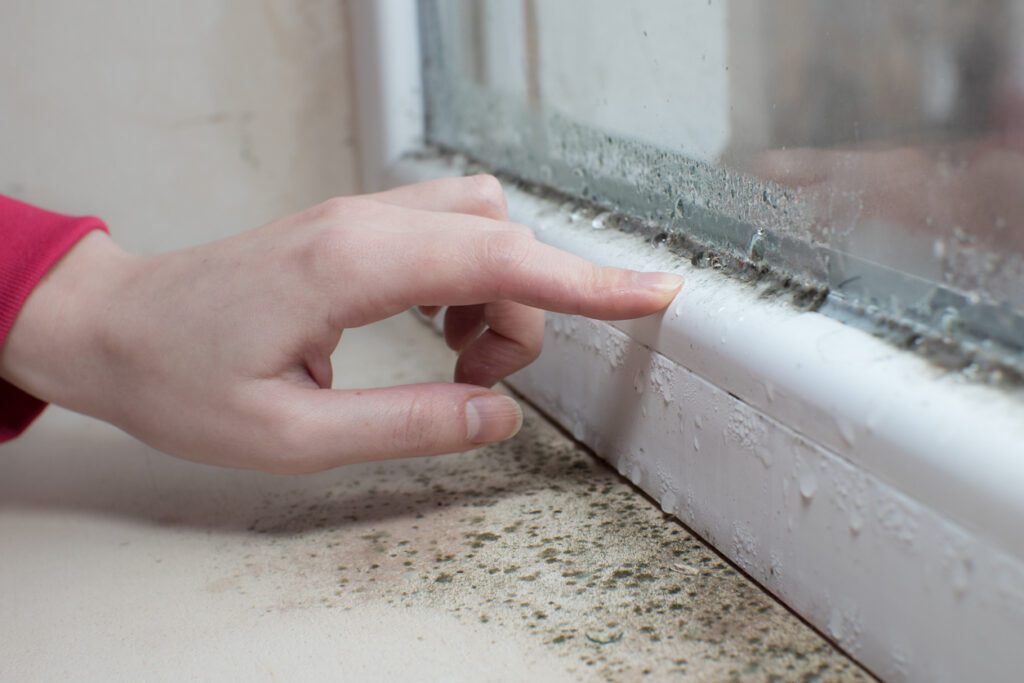
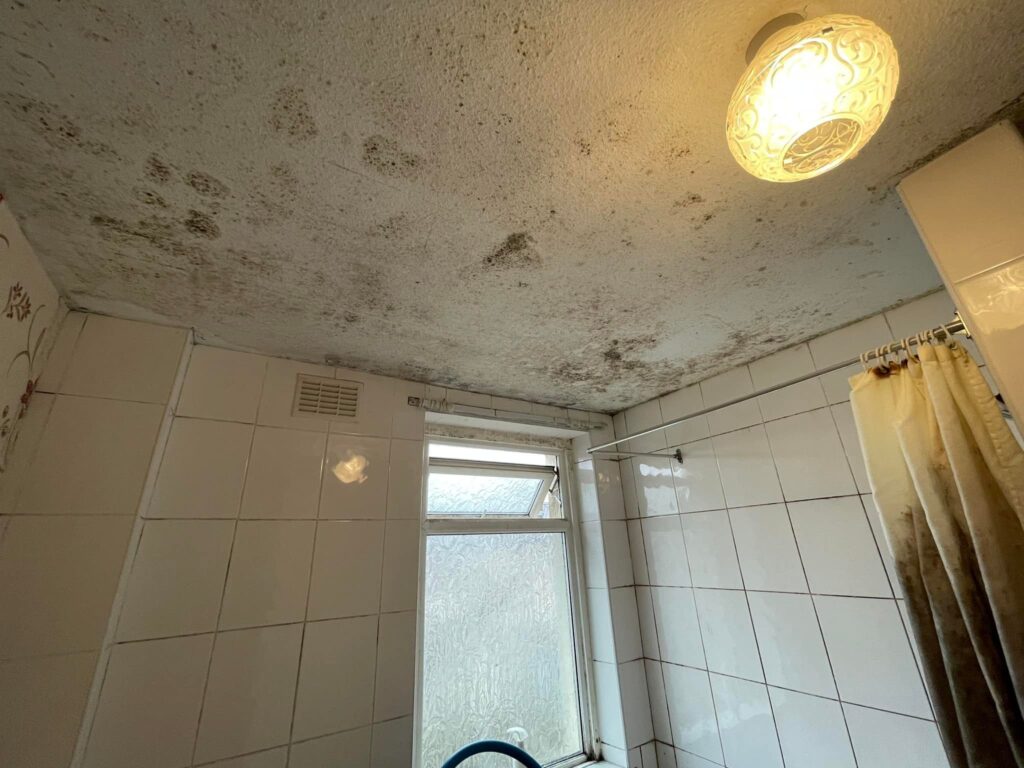
Black mould is a type of fungus that thrives in damp environments, especially where moisture lingers on surfaces for long periods. Bathrooms, kitchens, utility rooms, and areas around windows are hot spots because these rooms produce more condensation, steam, and water vapour.
Black mould forms when tiny spores land on surfaces that remain damp for too long. These spores belong to living organisms, meaning they grow, feed, and multiply rapidly. That’s why a small spot can quickly turn into a black mould outbreak. When disturbed, even by wiping, spores can become airborne, spreading into other rooms and worsening the air quality throughout the house. Since mould behaves like this, trying to treat it yourself can unintentionally make the situation worse.
The Limits of Home Remedies Like Spray Bottle Solutions
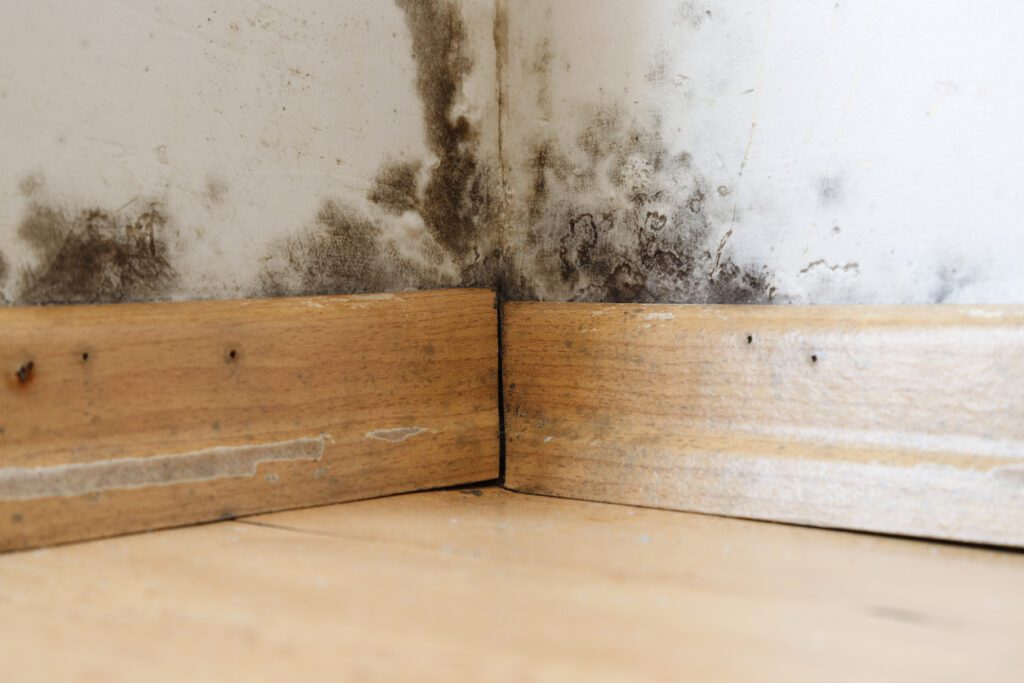
Many DIY guides suggest using a spray bottle filled with diluted bleach, white vinegar, or shop-bought mould sprays. A spray can appear helpful because it wets the surface and loosens the visible mould, but these solutions rarely penetrate deep enough into the material.
Most mould colonies grow beneath the surface, inside porous walls, ceilings, plaster, grout, and building fabric. Spraying the top layer doesn’t reach the mould hiding underneath. Even when you follow the manufacturer’s instructions, let the solution sit for at least an hour, and wipe thoroughly, new mould often re-appears within days or weeks. This is because household methods don’t kill the root system of the mould; they only clear the surface stains.
You may wipe away the marks, but the spores remain alive and active.
Why Mould Sprays Aren’t Enough to Remove Mould Completely
Commercial mould sprays can temporarily remove marks and slow growth, but they cannot fully fix the underlying cause. A mould spray works best on light mildew rather than a genuine mould infestation. When used incorrectly, sprays can even send spores into the air, aggravating health issues such as asthma flare-ups, coughing, or worsening allergies.
The biggest limitation of shop products is that they don’t address hidden dampness, damp conditions behind paint, in plasterboard, or within the wall structure. Professional mould technicians use industrial-grade cleaning solutions, fungicidal wash, moisture-meter inspections, thermal imaging, and safe removal equipment that household sprays cannot compete with.
So even if a DIY spray appears to “fix” the problem, mould nearly always returns because the environment still allows mould growing underneath to thrive.
Why DIY Methods Carry Health Risks
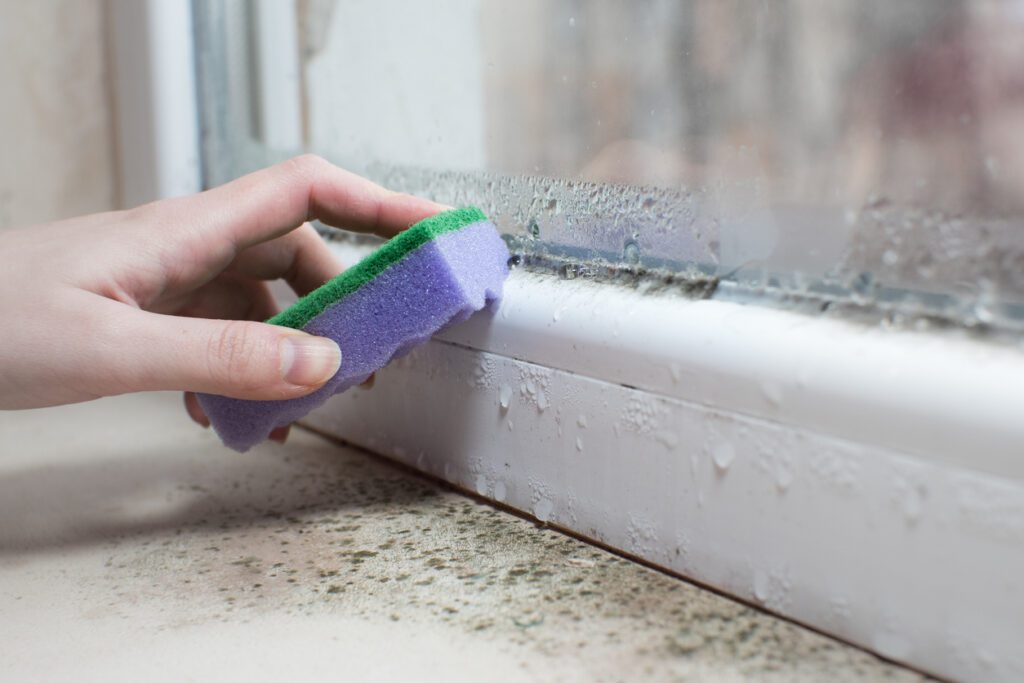
When people start researching how to remove mould, it’s easy to underestimate the risks. Black mould, especially in large quantities, can lead to respiratory irritation, headaches, fatigue, coughing, or general discomfort. Families with children, elderly residents, or individuals with asthma face higher risks from mould exposure.
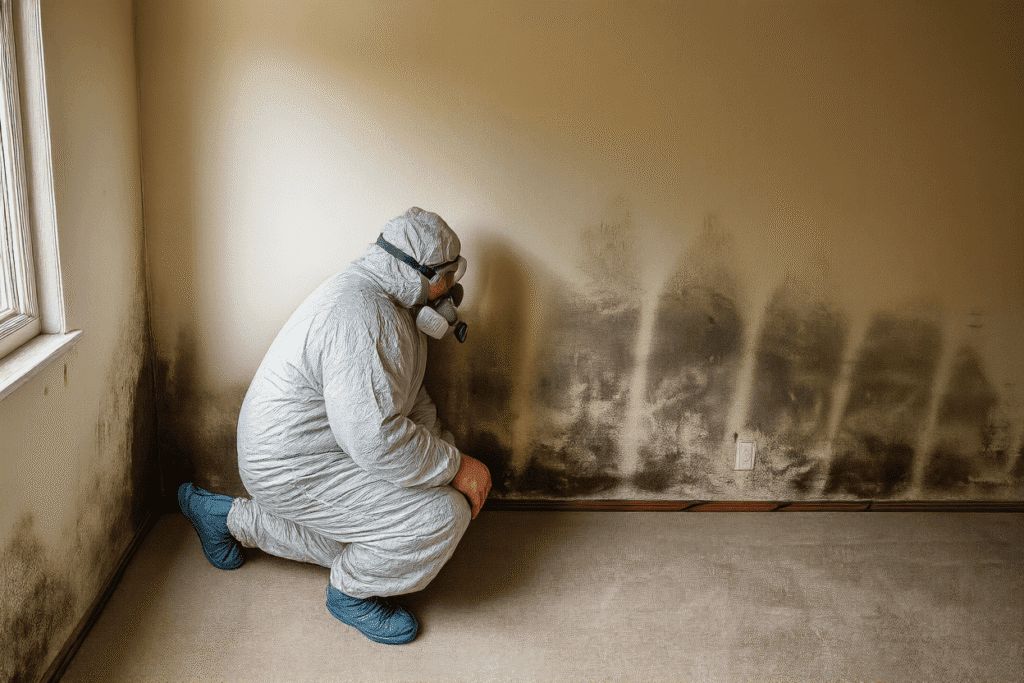
DIY mould removal also requires strict safety precautions such as rubber gloves, masks, and proper ventilation. Opening windows and doors helps, but without adequate ventilation, spores can still spread through the home.
If you scrub or disturb mould incorrectly, especially without PPE, you may inhale spores or push them deeper into the surface. This increases the likelihood that mould returns quickly or causes more significant health issues.
Professionals, on the other hand, use controlled removal techniques to prevent cross-contamination.
Why DIY Approaches Don’t Offer Long-Term Protection
Trying to get rid of mould yourself often results in frustration, repeated outbreaks, and worsening damage. Scrubbing mould with bleach or home remedies may appear to work temporarily, but deeper colonies continue feeding in damp conditions. Diluted bleach may remove marks, but it cannot penetrate deeply enough to kill the hidden roots.
The longer the mould remains active, the more harmful it becomes to your health and the building’s structure. Professional technicians ensure the area completely dries after treatment, preventing future outbreaks.
Prevent Mould By Fixing the Cause, Not Just the Symptoms
If you want to prevent mould, you must reduce indoor moisture. Mould thrives in damp environments, especially where bathrooms lack extractor fans or where kitchens generate steam during cooking. Even drying washing indoors can release litres of moisture into the air.
Good airflow helps, but natural fresh air alone doesn’t always remove moisture entirely. Although trickle vents, open windows, and leaving internal doors ajar improve airflow, these measures can only reduce humidity. They cannot fix deeper issues such as leak problems, faulty insulation, water ingress in walls, or structural damp.
Professionals identify exactly where the moisture is coming from and why the mould keeps returning. Without solving the root cause, mould cannot be permanently removed.
Why Professional Help Provides the Safest and Most Reliable Outcome
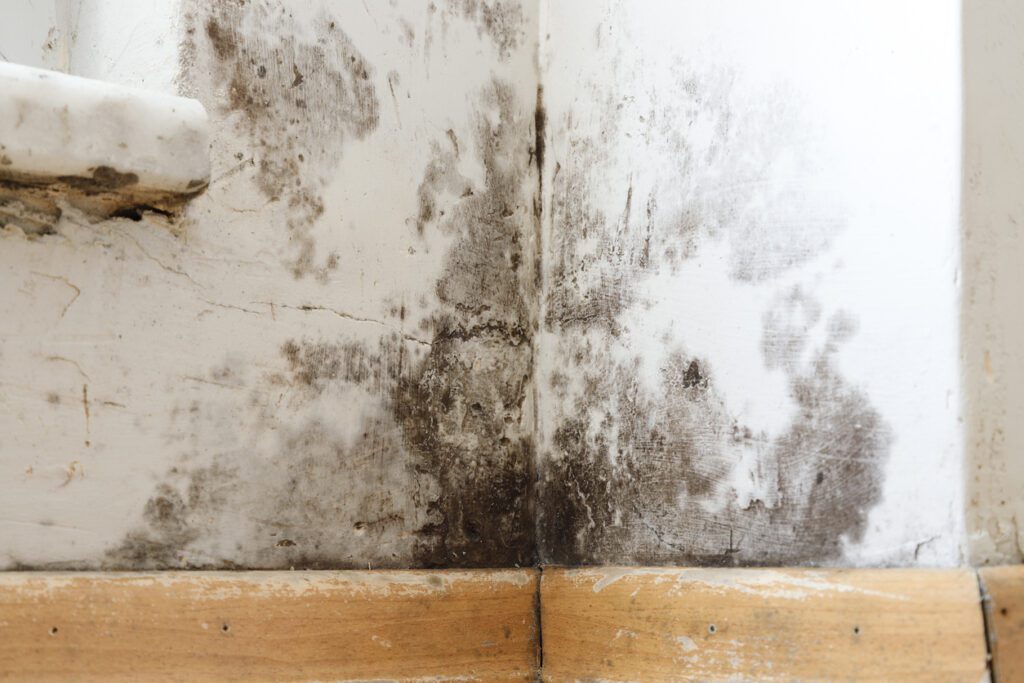
When dealing with black mould, the safest, most effective solution is always professional help. Specialists know how mould behaves, what fuels its growth, and how to remove it without spreading spores across the house. They also have the training to identify hidden damage, test humidity levels, inspect behind walls, and confirm whether your mould is commonly caused by condensation, leaks, or structural damp.
Professionals use industry-grade equipment and cleaning solutions far stronger than anything available in supermarkets. This includes a fungicidal wash designed to kill mould spores at the root, prevent regrowth, and protect affected surfaces long after treatment.
Most importantly, professionals handle mould safely. This prevents the health risks associated with DIY removal, especially for families with allergies, asthma, or respiratory conditions.
Contact Us Today For Long-Lasting Black Mould Removal Results
If you want to remove black mould safely, effectively, and permanently, professionals are your best option. They assess the room, ventilation levels, structural conditions, and the exact cause of mould growth. They treat the surface, the environment, and the underlying issue, all of which are essential to stop mould from coming back.
Professionals restore indoor air quality, eliminate spores, and ensure your home remains dry, clean, and healthy. Knowing how to get rid of mould is important, but knowing when to call a professional is essential. DIY methods may offer quick fixes, but they cannot provide long-term protection or safety. If you’re ready to protect your home from mould safely and permanently, we’re here to help. Contact us today for professional black mould removal and expert mould prevention support.