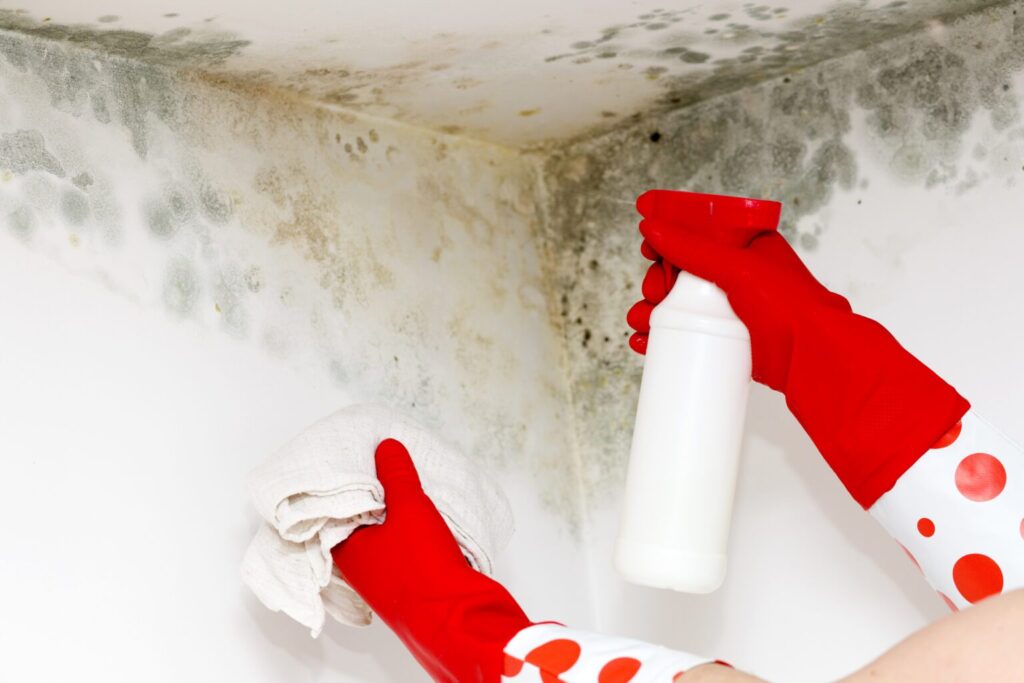
Finding mould inside a home or rental property can be worrying. It often starts as a small patch on a wall, ceiling, window frame or bathroom surface. At first, it may look like a simple cleaning job. In many cases, the mould returns because the real cause has not been dealt with.
Many people try to clean mould using sprays, bleach, vinegar or standard household cleaning products. These methods can improve the appearance of the affected surface, but they rarely deal with the wider mould problem.
Professional mould remediation takes a different approach. It looks at the visible mould, the spread of mould spores, the moisture conditions in the property and the risk of the mould returning.
That makes remediation more effective than surface cleaning when mould keeps coming back, spreads across several areas, or affects indoor air quality.
What Is Professional Mould Remediation?
Professional mould remediation is the process of treating mould contamination in a controlled and structured way. It does not simply focus on removing visible mould from a surface.
A proper remediation process looks at the affected area, airborne mould spores, moisture levels, ventilation issues and the conditions that allowed the mould to grow.
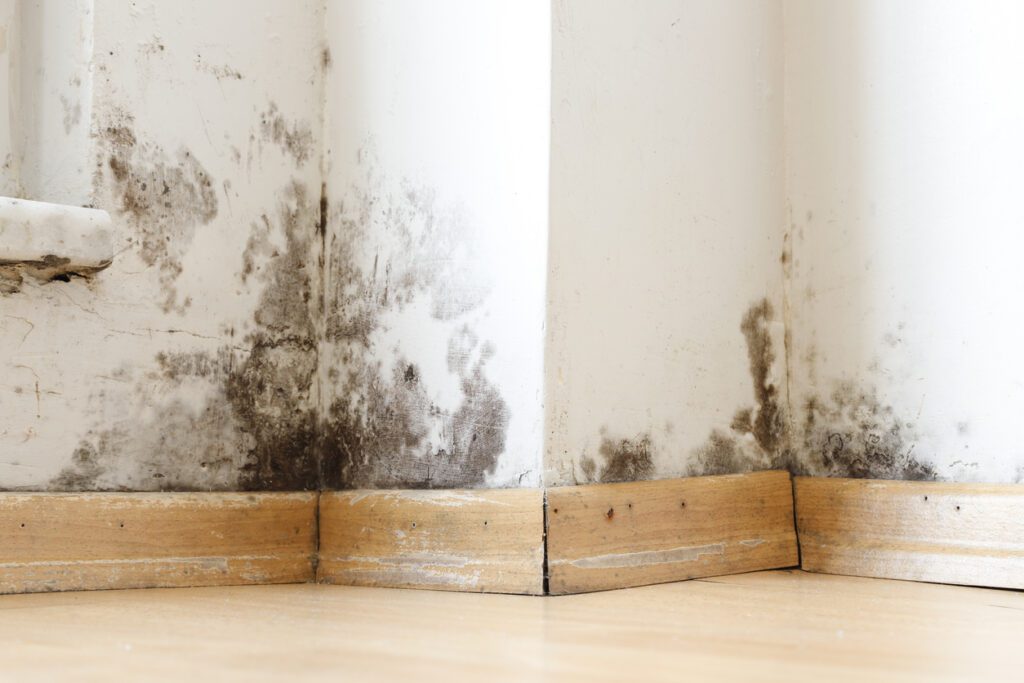
Mould can develop on walls, ceilings, sealant, furniture, plaster, timber and other materials when excess moisture remains present. Once mould grows, it releases microscopic spores into the air. These spores can settle on nearby surfaces and allow the problem to spread if the environment stays damp.
Professional remediation helps reduce contamination, protect indoor air quality and give property owners a clearer plan for preventing the mould from returning.
Where mould has spread or keeps coming back after cleaning, a structured professional mould remediation service can provide the level of control that basic cleaning cannot.
Why Surface Cleaning Often Fails
Surface cleaning usually only deals with what you can see. The mould stain may disappear for a short time, but the conditions behind the mould often remain unchanged.
Mould needs moisture to grow. In many homes, that moisture comes from condensation, poor ventilation, high humidity, water ingress, leaks, cold surfaces or damp areas hidden behind furniture.
When those conditions remain, mould can return quickly. Some homeowners clean the same patch again and again without realising that the property still has the same moisture problem.
Household products may remove staining, but they do not always control mould spores or contamination within porous surfaces. Cleaning can also disturb spores if someone scrubs the area without the right precautions.
This is why surface cleaning should not be treated as a full solution for recurring mould. It can help with appearance, but it does not always resolve the cause.
Our guide on what causes black mould in homes explains how condensation, poor ventilation and excess moisture create the conditions mould needs to grow.
Professional Remediation Looks Beyond the Visible Mould
Professional mould remediation works because it treats mould as a contamination and moisture issue, not just a cosmetic problem.
Before treatment begins, the affected areas need to be assessed. This helps identify how far the mould has spread, what surfaces it has affected and what may be causing the problem.
This matters because two mould problems can look similar but have different causes. One property may have mould because of poor airflow in a bathroom. Another may have mould behind furniture because cold external walls create condensation. Another may have a leak or water ingress that needs further investigation.
Professional remediation gives the property owner a clearer understanding of the problem. It also helps decide whether the issue needs localised treatment, wider mould removal, or a more controlled remediation process.
That level of assessment is one of the main reasons professional remediation performs better than repeated surface cleaning.
Mould Spores Need Careful Control
Mould releases microscopic spores into the air. These spores can move through a property and settle on surfaces away from the original mould patch.
When mould gets disturbed during cleaning, spores may spread more easily. This is especially important when mould affects bedrooms, bathrooms, rental properties, commercial spaces or poorly ventilated rooms.
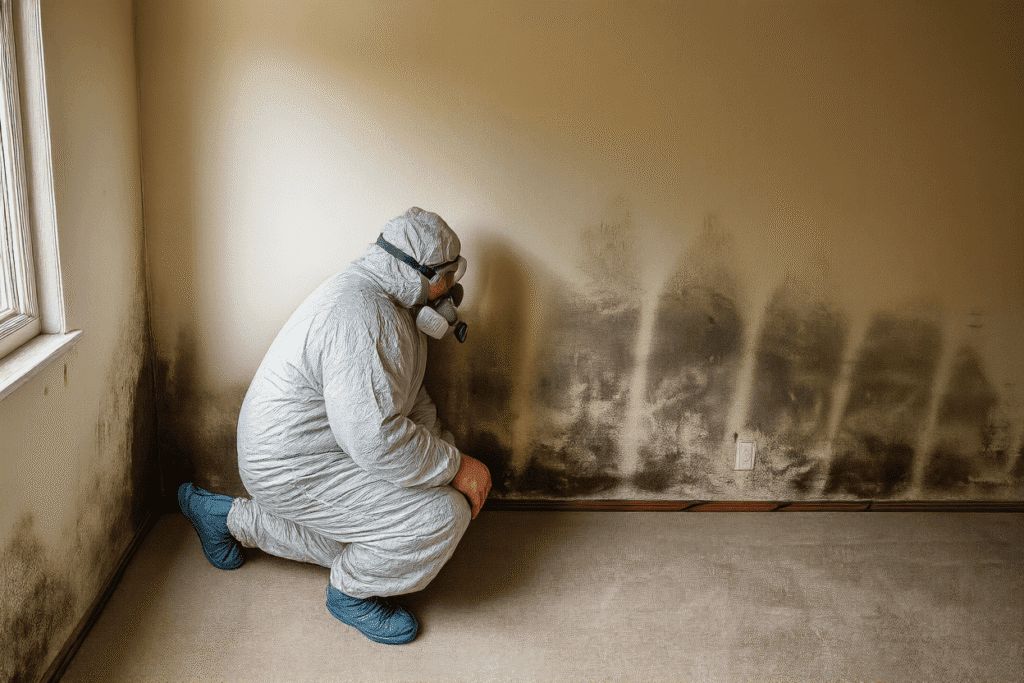
Professional remediation uses controlled methods to reduce this risk. Technicians may use protective equipment, HEPA vacuuming, containment, air filtration or air scrubbers depending on the severity of the mould problem.
The aim is to treat the affected area while reducing unnecessary spread. This gives the process more control than standard DIY cleaning.
Where mould growth has become widespread or a strong musty smell is present, spore control becomes even more important.
Moisture Control Makes the Difference
Mould cannot grow without moisture. That is why professional remediation always needs to consider the moisture conditions inside the property.
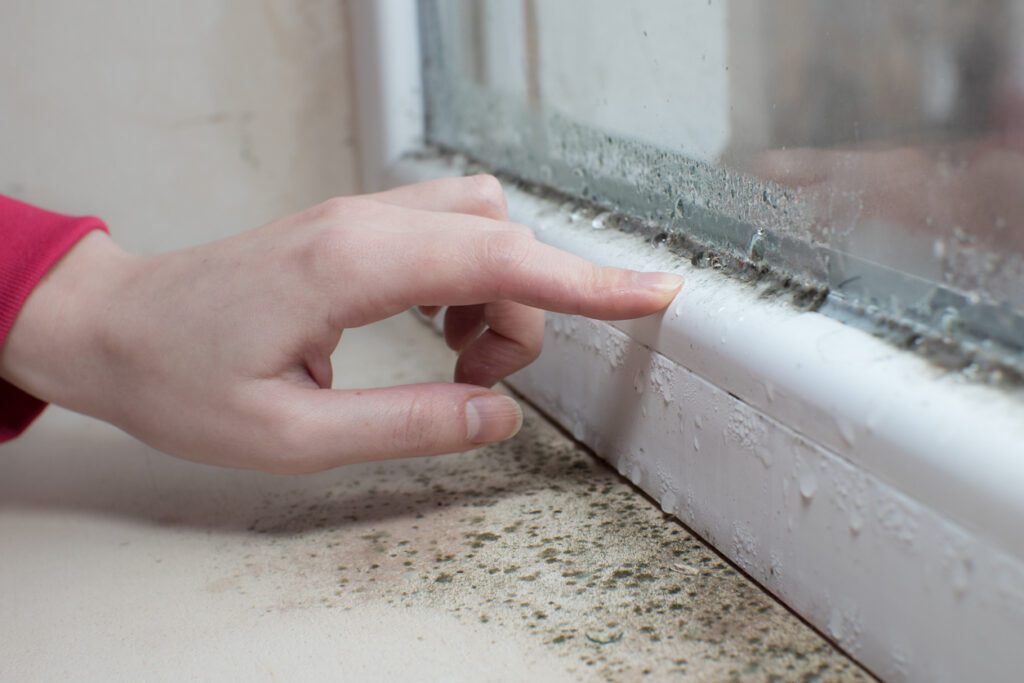
In many cases, mould grows because warm, moist air meets a cold surface and turns into condensation. This commonly happens around windows, external walls, ceilings, bathrooms and poorly ventilated bedrooms.
Daily activities can also increase moisture levels. Cooking, showering, drying clothes indoors, and inconsistent heating can all contribute to high humidity inside the property.
In other cases, moisture may come from leaks, water ingress, blocked airflow or damp areas hidden behind furniture.
Professional remediation does not replace structural damp repairs. However, it can identify visible signs of moisture issues and highlight when further investigation may be needed.
This is important because mould treatment will not last if the property continues to create the same damp conditions.
Professional Equipment Improves the Treatment Process
Professional mould remediation may involve equipment that homeowners do not usually have access to.
HEPA vacuuming can help capture fine particles from affected surfaces. Air scrubbers can help manage airborne mould spores where contamination needs additional control. Containment can help reduce the risk of spores spreading into unaffected areas.
Specialist treatment products may also be used to clean and treat contaminated surfaces more effectively than household sprays.
This equipment does not solve moisture problems by itself, but it improves the quality and control of the remediation process. When mould affects more than a small isolated patch, that control can make a significant difference.
For customers comparing service levels, the three comprehensive mould treatment packages explain how different treatment options may include HEPA vacuuming, containment, air scrubbers, stain treatment, atmospheric fogging and prevention advice.
Remediation Helps Protect Indoor Air Quality
Indoor air quality can suffer when mould spores build up inside a property. This can happen when mould spreads, returns repeatedly, or grows in rooms with poor ventilation.
Bedrooms, bathrooms and living areas need particular attention because people spend long periods of time in these spaces. A persistent musty smell can also suggest that mould or damp materials are present somewhere inside the property.
Professional mould remediation helps improve the indoor environment by treating affected surfaces and reducing contamination. Where required, filtration equipment can help manage airborne spores during the treatment process.
This is especially important for landlords, letting agents and property managers who need to show that they have taken mould concerns seriously and arranged appropriate treatment.
Our article on the health risks of ignoring mould explains why mould should not be left untreated, particularly when it affects indoor air quality.
Remediation Gives Clearer Prevention Advice
One of the biggest advantages of professional mould remediation is the advice that follows the treatment.
Removing visible mould is only one part of the job. Preventing it from returning depends on understanding what caused the problem in the first place.
After treatment, property owners may need to improve ventilation, reduce humidity, check extractor fan performance, adjust heating patterns, improve airflow behind furniture or investigate possible water ingress.
This guidance matters because mould often returns when the property continues to produce excess moisture.
In some cases, a focused professional mould treatment service may be suitable for localised mould where the main priority is treating the affected surface and reducing regrowth risk.
For more serious or recurring contamination, remediation provides a more structured approach to spores, moisture, containment and prevention.
Why Landlords and Letting Agents Need a Structured Approach
Mould in rental properties needs careful handling. Tenants may report visible mould, musty smells, damp patches, condensation or concerns about air quality.
For landlords and letting agents, the priority should not be to simply wipe away the mould. They need to understand why the mould has appeared, arrange suitable treatment and provide clear recommendations for reducing recurrence.
Professional remediation supports this process. It gives a clearer route from assessment to treatment, then from treatment to prevention advice.
This is useful when mould appears in bathrooms, bedrooms, around windows, behind furniture or in properties with repeated condensation issues.
A structured approach helps property owners respond properly and reduces the risk of the same issue returning soon after cleaning.
When Should You Consider Professional Mould Remediation?
Property owners should consider professional mould remediation when mould spreads, keeps returning, affects more than one room, or appears alongside a persistent damp or musty smell.
Professional support may also be needed when mould affects bedrooms, bathrooms, rental properties or commercial premises where indoor air quality matters.
Small isolated patches may sometimes be cleaned if the moisture source has already been resolved. However, repeated mould growth usually means the root cause remains active.
If mould returns after DIY cleaning, spreads behind furniture, affects porous surfaces or raises concerns about airborne spores, professional assessment is the safer route.
For broader support with visible mould, the main professional mould removal service explains how affected areas can be treated safely.
Professional Remediation Offers Better Long-Term Value
DIY cleaning may seem cheaper at first, but repeated cleaning does not provide long-term value if the mould keeps returning.
Professional mould remediation gives property owners a clearer understanding of the problem. It looks at visible mould, airborne spores, affected surfaces, moisture conditions and prevention measures.
That makes it more useful than temporary cleaning, especially where mould has already returned more than once.
The real value comes from reducing guesswork. Instead of repeatedly cleaning the same area, property owners get a structured process that explains what is happening and what needs to change.
For homes, rental properties and commercial premises affected by recurring mould, professional remediation offers a more reliable route than surface cleaning alone.
How Mould Should Be Treated
Mould should not be treated as a simple cleaning issue when it keeps returning or spreading. Visible mould often points to a wider moisture, ventilation or contamination problem.
Professional mould remediation helps treat the mould problem in a more controlled way. It reduces contamination, considers airborne spores and identifies the conditions that allowed the mould to grow.
If mould has returned after cleaning, spread across multiple areas, or created a persistent musty smell, a structured remediation approach may be needed.
Mould Removal North West provides mould remediation, mould removal and mould treatment support for homes, landlords, letting agents and commercial clients.
Send clear photos or videos of the affected area to receive practical advice and a straightforward quote.
FAQs About Professional Mould Remediation
Is mould remediation the same as mould removal?
Mould removal focuses on removing visible mould from affected surfaces. Mould remediation takes a wider approach by considering airborne spores, contamination control, moisture conditions and prevention advice. When mould spreads or keeps returning, remediation usually gives a more structured solution than cleaning alone.
Why does mould come back after I clean it?
Mould usually returns because the underlying moisture problem remains. Condensation, poor ventilation, leaks, high humidity and damp surfaces can all allow mould spores to settle and grow again. Cleaning the surface may remove staining temporarily, but it does not always change the conditions that caused the mould.
Can I remove mould myself?
You may be able to clean a small isolated patch if the moisture source has already been resolved. However, professional remediation may be needed when mould spreads, returns repeatedly, affects porous materials or creates a musty smell. Cleaning mould without proper controls can also disturb spores and spread contamination to nearby areas.
What equipment do professionals use during mould remediation?
Professionals may use HEPA vacuuming, controlled cleaning methods, containment, air scrubbers, stain treatment and specialist mould treatment products. The exact method depends on the size of the affected area, the surface type and whether airborne mould spores need additional control.
Does mould remediation stop mould permanently?
Mould remediation can remove contamination and reduce the risk of recurrence, but long-term success depends on moisture control. If excess humidity, condensation, poor ventilation or water ingress remain unresolved, mould can return. That is why professional remediation should include prevention advice and moisture assessment.
When should landlords arrange professional mould remediation?
Landlords should consider professional remediation when mould keeps returning, spreads across several areas, affects bedrooms or bathrooms, or causes tenant concerns about damp smells and indoor air quality. A structured remediation process provides clearer treatment, documentation and prevention advice.