Mould growth in homes and workplaces is not just an eyesore—it poses serious health risks and can damage property. Mould thrives in damp, humid environments and can spread rapidly if not addressed. Knowing how to prevent mould and understanding the most effective removal strategies is key to maintaining a safe and healthy environment. Here’s a detailed guide on how to prevent and remove mould effectively.
What is Mould and Why It’s Harmful
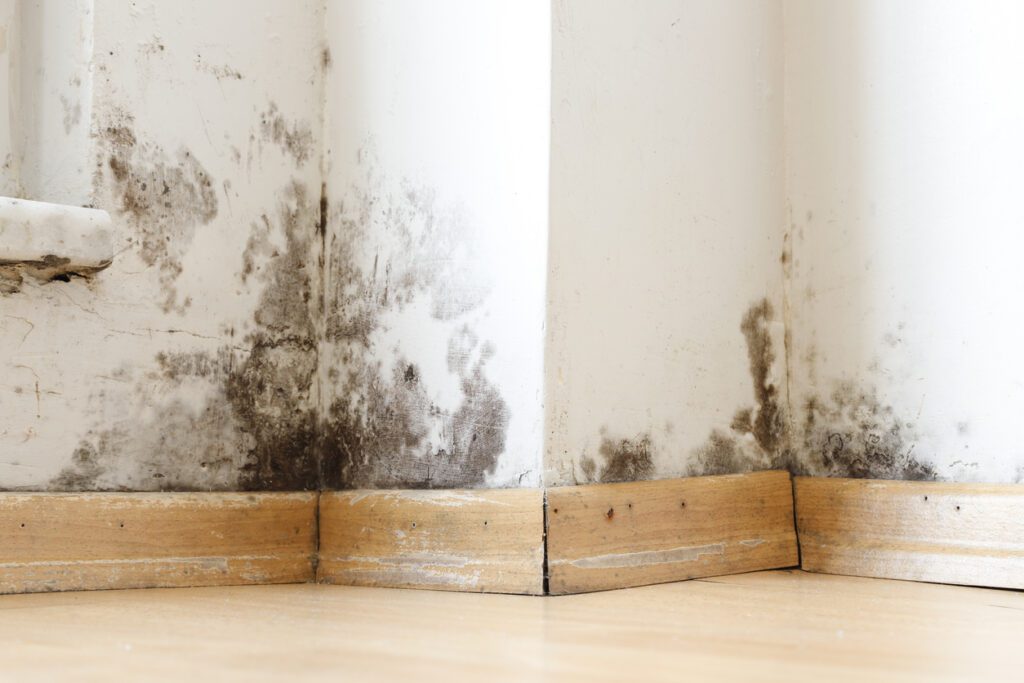
Mould is a type of fungus that grows in moist environments. It can be black, green, white, or orange, depending on the species and the surface it inhabits. While mould plays an important role in breaking down dead organic matter outdoors, it’s harmful indoors.
Mould exposure can trigger health issues, especially in people with respiratory conditions, allergies, or weakened immune systems. Common symptoms include sneezing, coughing, skin irritation, and in severe cases, asthma attacks. Mould can also damage the structure of buildings by breaking down materials like wood and drywall.
Controlling Moisture: The Key to Prevention
The most effective way to prevent mould growth is by controlling moisture. Mould cannot grow without moisture, so keeping your home dry is crucial. Here are some practical tips:
Monitor Humidity Levels:
Keep indoor humidity between 30% and 50%. High humidity encourages mould growth. Use a hygrometer to monitor humidity levels. If it exceeds 50%, use a dehumidifier, especially in moisture-prone areas like basements and bathrooms.
Ensure Proper Ventilation:
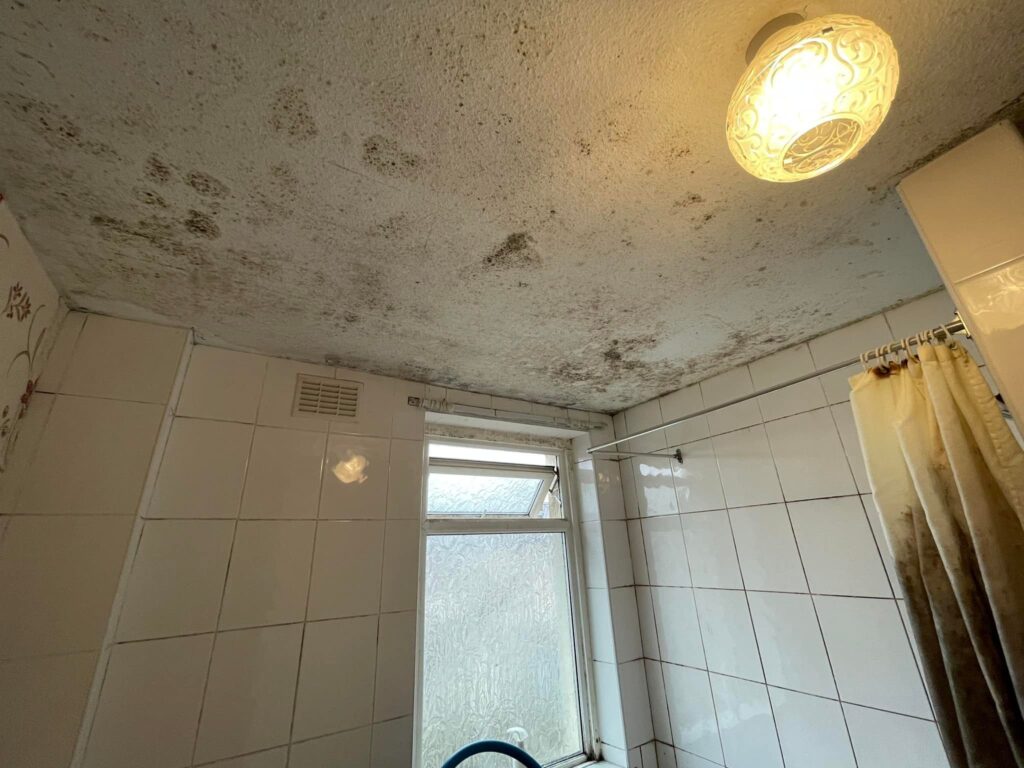
Good ventilation helps reduce humidity. Use exhaust fans in bathrooms and kitchens to remove moisture-laden air. Make sure your home’s ventilation system is working efficiently, and areas like attics and crawl spaces are well-ventilated.
Fix Leaks Immediately:
Leaky pipes, roofs, or windows can cause persistent dampness, promoting mould growth. Regularly check your home for leaks and repair them right away, paying special attention to areas around sinks, bathtubs, and other plumbing fixtures.
Use Mould-Resistant Materials:
When building or renovating, choose mould-resistant drywall, paint, and insulation. These materials are designed to withstand damp conditions and are less likely to develop mould.
Keep Surfaces Dry:
Regularly dry wet surfaces, especially in the bathroom and kitchen. After a shower, dry the tiles, walls, and other surfaces that retain moisture. Ensure clothes dryers are vented outside to prevent indoor moisture buildup.

Effective Mould Removal Techniques
Even with the best prevention efforts, mould can still appear. If you find mould, it’s important to remove it quickly to prevent its spread and minimise health risks. Here’s how:
Assess the Extent of the Problem:
Before starting mould removal, evaluate the severity of the infestation. Small mould patches (less than 10 square feet) can often be handled by homeowners, but larger areas may require professional help.
Choose the Right Cleaning Products:
For small mould problems, use commercial mould removers or a mixture of water and mild detergent or vinegar. For tougher mould, a solution of one cup of bleach in a gallon of water can be used on non-porous surfaces like tiles and glass.
Protect Yourself:
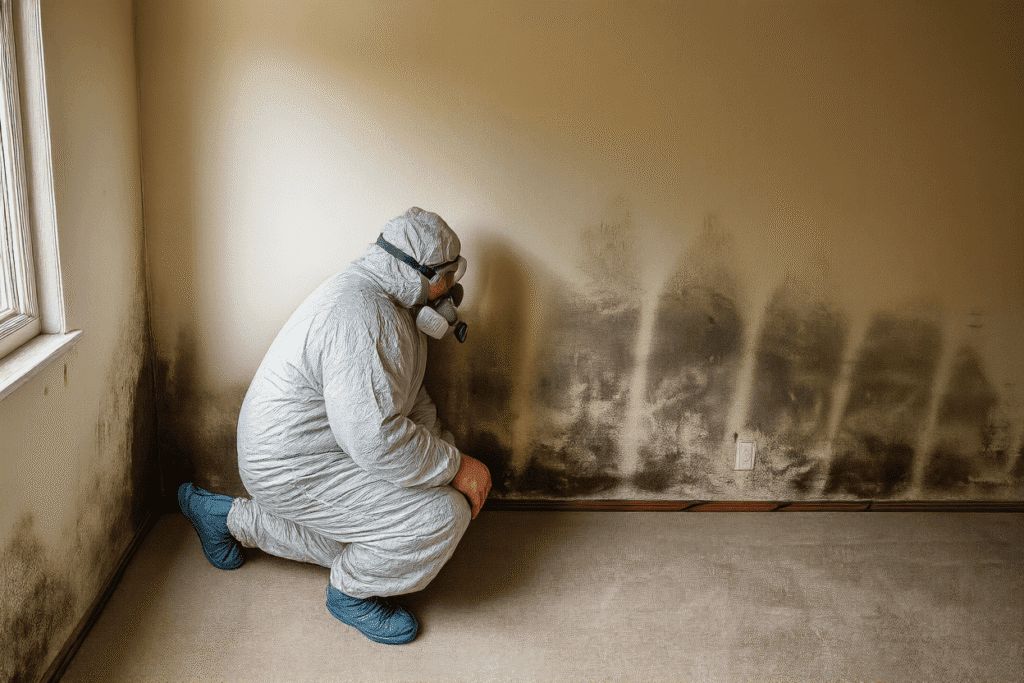
Mould removal can release spores into the air, so protect yourself by wearing gloves, a mask, and goggles. Make sure the area is well-ventilated by opening windows and doors.
Remove and Replace Affected Materials:
In cases where mould has deeply penetrated porous materials like drywall, carpet, or insulation, it’s best to remove and replace these materials to prevent the mould from returning.
Dry the Area Thoroughly:
After cleaning or removing mould, ensure the area is completely dried. Use fans, dehumidifiers, or heaters to speed up the drying process, as any remaining moisture can cause the mould to return.
Consider Professional Help:
For extensive mould infestations or mould in hard-to-reach areas, hiring a professional mould remediation service is a wise choice. Professionals have the expertise, tools, and protective gear to safely and effectively remove mould.
Long-Term Maintenance and Inspections
Preventing mould is an ongoing task that requires regular maintenance and inspections. Here’s how to keep mould at bay:
Regularly Inspect High-Risk Areas:
Check moisture-prone areas like basements, attics, bathrooms, and kitchens for signs of mould or water damage. Early detection can stop a small mould problem from becoming a major issue.
Maintain Your HVAC System:
Your heating, ventilation, and air conditioning (HVAC) system can help control humidity and prevent mould growth. Change filters regularly and ensure the system is clean and functioning properly.
Address Condensation Issues:
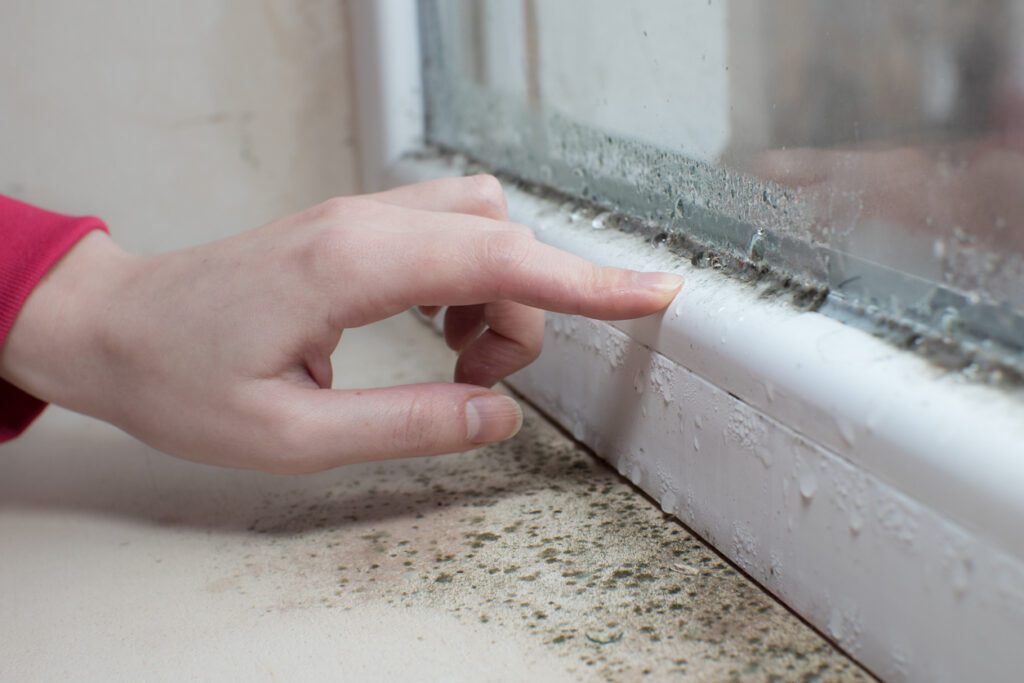
Condensation on windows, pipes, or walls can indicate high humidity levels. Insulate pipes and windows to reduce condensation, and wipe down any moisture that accumulates.
Preventing mould growth and effectively removing mould when it appears is essential for maintaining a healthy indoor environment. By controlling moisture, using mould-resistant materials, and addressing mould promptly, you can protect your home and health from mould’s dangers. Regular inspections and preventive maintenance are key to ensuring your home remains a safe and comfortable place to live. Here at Mould Removal, we offer a professional mould treatment service. We can treat any existing mould by using specialist products, call our experts today.
Our services cover across the UK including Sunderland, Newcastle, Blackpool and Liverpool.