
The UK is known for many things—stunning landscapes, rich history, and, let’s face it, unpredictable weather. But one issue no homeowner, tenant, or landlord wants to become familiar with is the growing problem of mould in homes.
From coastal towns to city centres, and from older properties with solid walls to modern apartments with limited airflow, mould is becoming an increasingly common concern across the country. Whether you’re in a damp ground-floor flat, a condensation-prone top-floor conversion, or a home affected by poor ventilation or hidden leaks, the conditions for mould growth can arise almost anywhere.
Understanding why mould is on the rise—and what practical steps you can take to prevent and address it—is essential to maintaining a healthy, safe, and comfortable living environment, no matter where you are in the UK.
What Is Mould and Why Should You Be Concerned?
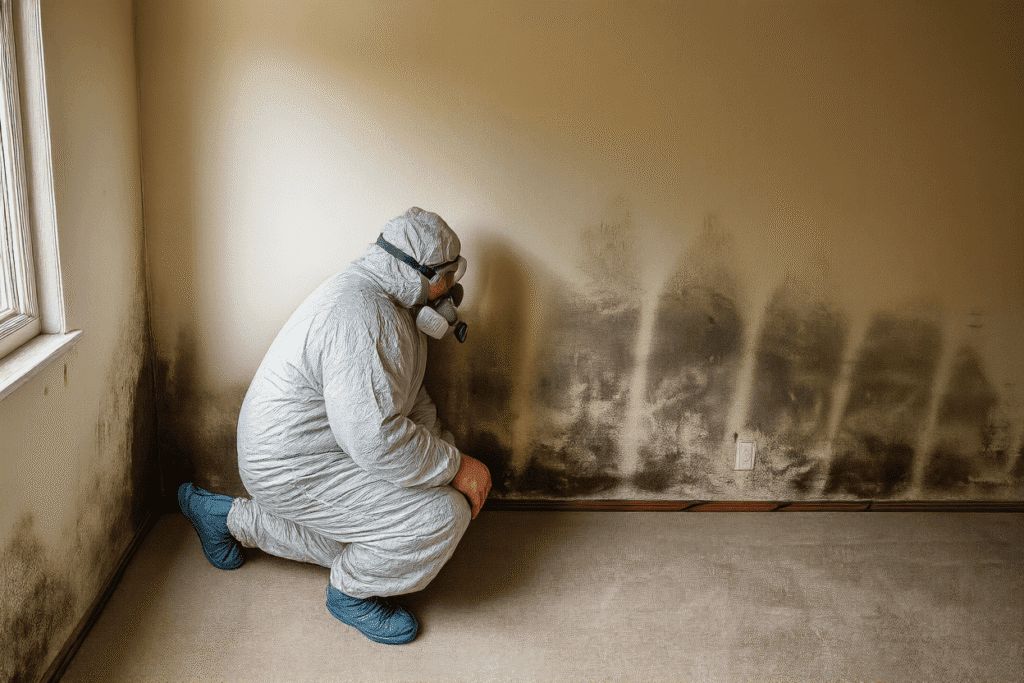
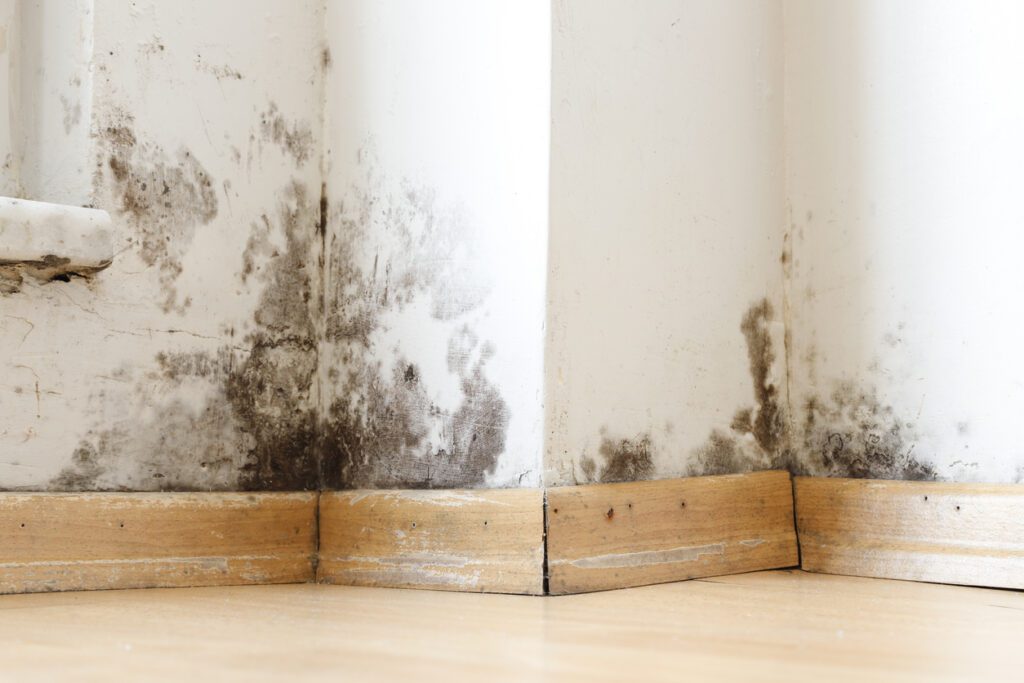
Mould is a type of fungus that thrives in damp, humid conditions. It spreads by releasing spores into the air, which can settle on surfaces and multiply rapidly if left untreated. While it may start as a cosmetic nuisance — black spots on the ceiling or green fuzz on the walls — mould can quickly become a health hazard.
Common health problems linked to mould exposure include:
- Respiratory issues like asthma or bronchitis
- Eye, nose, and throat irritation
- Skin rashes or allergic reactions
- More severe issues for children, the elderly, or those with compromised immune systems
And it’s not just your health at risk. Untreated mould can damage walls, ceilings, insulation, and even furniture — leading to costly repairs and reduced property value.
Why Is Mould Such a Big Problem in the UK?
The UK’s housing stock is unique — and not always in a good way when it comes to ventilation and damp prevention. Here’s why mould is becoming more common across the UK:
1. Old Buildings, Outdated Ventilation
When it comes to mould in the UK’s older buildings, the issue isn’t limited to London—many homes across the country were constructed long before modern damp-proofing, ventilation, and insulation standards were introduced. Victorian and Edwardian properties, in particular, are common nationwide and often suffer from poor airflow, single-glazed windows, solid walls, and minimal insulation.
Once moisture enters these traditional buildings—whether from condensation, rain penetration, or rising damp—it struggles to escape. This trapped moisture creates the ideal environment for mould to take hold and spread. Whether you’re in Manchester, Cardiff, Glasgow, or Brighton, older housing stock presents similar challenges, making effective ventilation and moisture control essential for keeping homes healthy and mould-free.
2. The Climate
London’s climate is damp and humid for much of the year. Frequent rain, colder winters, and high humidity levels contribute to condensation build-up inside homes. This is particularly problematic in bathrooms, kitchens, and bedrooms where airflow tends to be restricted.
3. Insulation vs. Ventilation
In recent years, many homeowners have added insulation to reduce energy bills. While insulation is great for keeping homes warm, it can also trap moisture inside if not paired with proper ventilation. Sealed windows, blocked chimneys, and no extractor fans mean that water vapour from everyday activities — cooking, showering, drying clothes indoors — has nowhere to go.
4. Rental Properties and Short-Term Fixes
In a city where more than 40% of residents rent, tenants often face mould problems that landlords are slow to address. Sometimes, it’s due to a lack of awareness, or worse, landlords applying short-term fixes like painting over mould rather than solving the root cause. In shared housing, it’s also harder to control moisture levels when multiple people are using the space.
Signs You May Have a Mould Problem
Mould isn’t always visible. Keep an eye (and nose) out for:
- A musty smell in certain rooms
- Black, green, or white patches on walls or ceilings
- Peeling paint or wallpaper
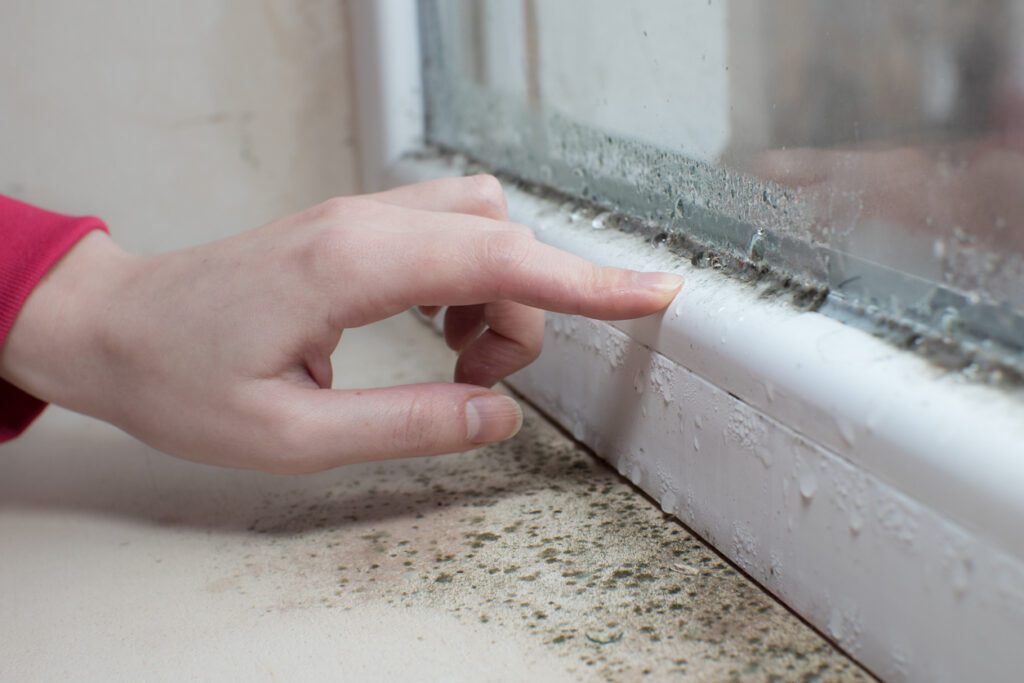
- Condensation on windows (especially in the mornings)
- Cold, damp areas on walls
If you’re noticing any of the above — especially in corners, near windows, or behind furniture — you may already have a mould issue.
What You Can Do to Prevent Mould in Your London Home
The good news? You can take steps to reduce and prevent mould. Here’s what experts recommend:
1. Improve Ventilation
Proper airflow is the number one defence against mould. Open windows when weather allows, especially after showering or cooking. Use extractor fans in kitchens and bathrooms, and make sure they’re working efficiently.
For homes with persistent issues, Positive Input Ventilation (PIV) systems are a powerful solution. These units introduce filtered, fresh air into your home, helping to control moisture and reduce condensation — and companies like Mould Removals North West specialise in their installation.
2. Control Humidity Levels
Invest in a hygrometer to measure humidity in your home. Ideally, indoor humidity should stay between 40%–60%. If levels are high, consider using a dehumidifier. Avoid drying clothes indoors whenever possible, and keep lids on pots while cooking.
3. Fix Leaks and Damp Issues
Check for leaks under sinks, around windows, and on ceilings — especially after heavy rain. If your roof, gutters, or plumbing are leaking, fix them immediately. Small drips can lead to big mould problems.
4. Regular Cleaning
Clean surfaces prone to moisture buildup — like bathroom tiles, window sills, and kitchen walls — with anti-mould spray or white vinegar. But remember: this only addresses the symptoms, not the cause.
5. Call in the Professionals
If the mould keeps coming back, or if the problem covers a large area, it’s time to call in a mould removal expert. Companies like Mould Removal North West offer professional assessments, safe removal methods, and long-term solutions tailored to your property’s needs. They even provide services like atmospheric fogging and Thermokote application to prevent future mould growth.
Why Choose Mould Removal North West in London?
Although their name suggests a Northern focus, Mould Removal North West now serves customers nationwide — bringing trusted expertise and effective, long-term mould solutions to homes across the UK.
Here’s what sets them apart:
- Experienced, fully trained technicians
- Safe, non-toxic removal methods
- PIV system installations to control humidity
- Free advice and no-obligation quotes
- A customer-first approach to every job
If you’re dealing with mould in your home, don’t wait until it affects your health or causes expensive damage. Professional help is just a phone call away.
Mould is a serious and growing issue in UK homes — but it doesn’t have to be. By understanding the causes and investing in proper ventilation, moisture control, and professional support, you can protect your property and your health.
Let Mould Removal North West be your partner in creating a mould-free home in the capital. Book a consultation today by contacting the team.