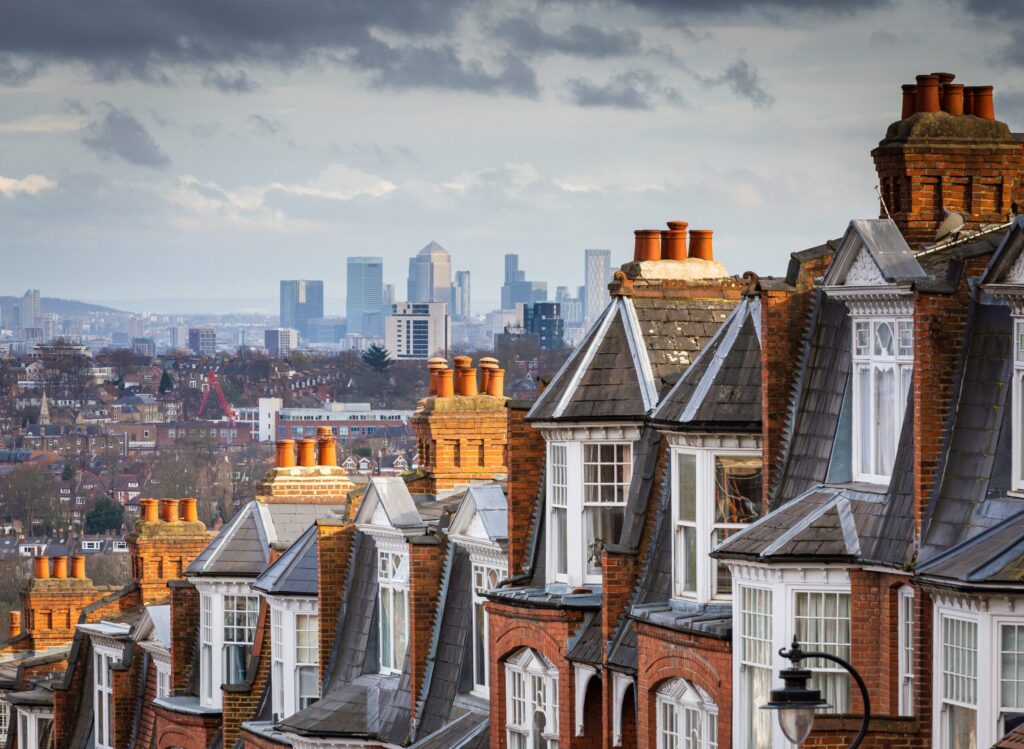
London’s old buildings are part of the city’s charm, offering a look into its rich history, stunning architecture, and timeless character. However, beneath their aesthetic beauty lies a significant issue: modern mould problems that often cause multiple issues for these historic structures.
Whether you live in a Victorian townhouse, a Georgian flat, or a period building that has been repurposed for modern use, the unique characteristics of old properties can create the perfect environment for mould growth. From inadequate ventilation to poor insulation, the very elements that make these buildings special can also contribute to the persistent mould problems in London’s homes today.
Here we take a look why old buildings in London are so susceptible to mould, how this issue can affect residents, and what homeowners, tenants, and landlords can do to protect their properties from mould-related damage.
Why Are Older Buildings in London Prone to Mould?
Older buildings in London, especially those built in the 19th and early 20th centuries, weren’t designed with modern-day issues like condensation and energy efficiency in mind. While these buildings may have been built to last, they often lack the materials and systems that help prevent moisture buildup and control humidity in today’s homes.
Here are some reasons why mould can be a problem in London’s old buildings:
1. Inadequate Ventilation Systems
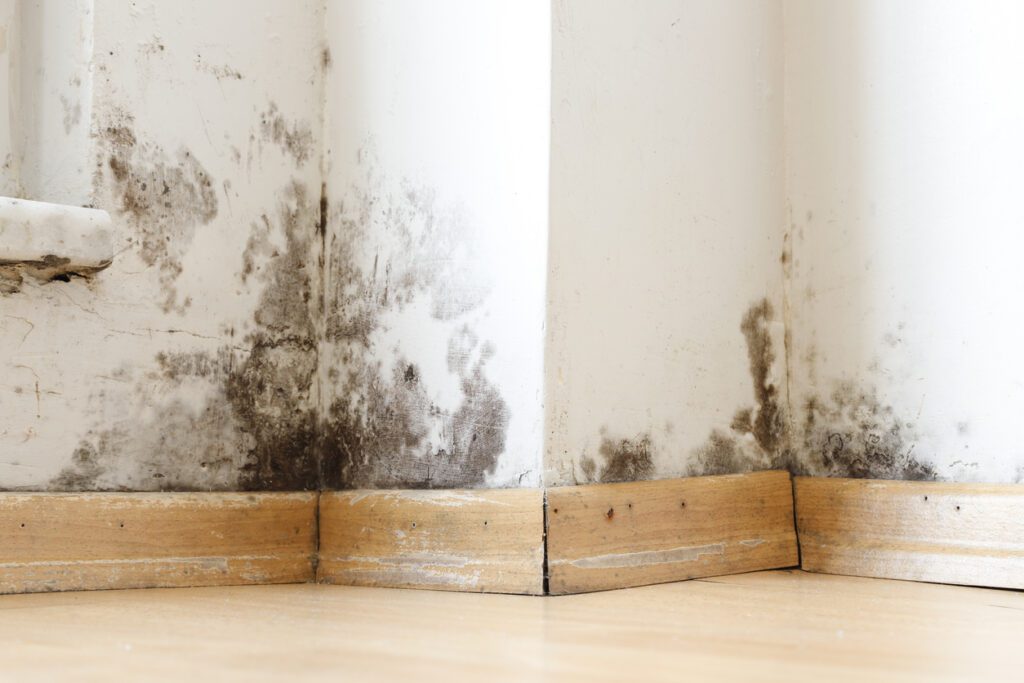
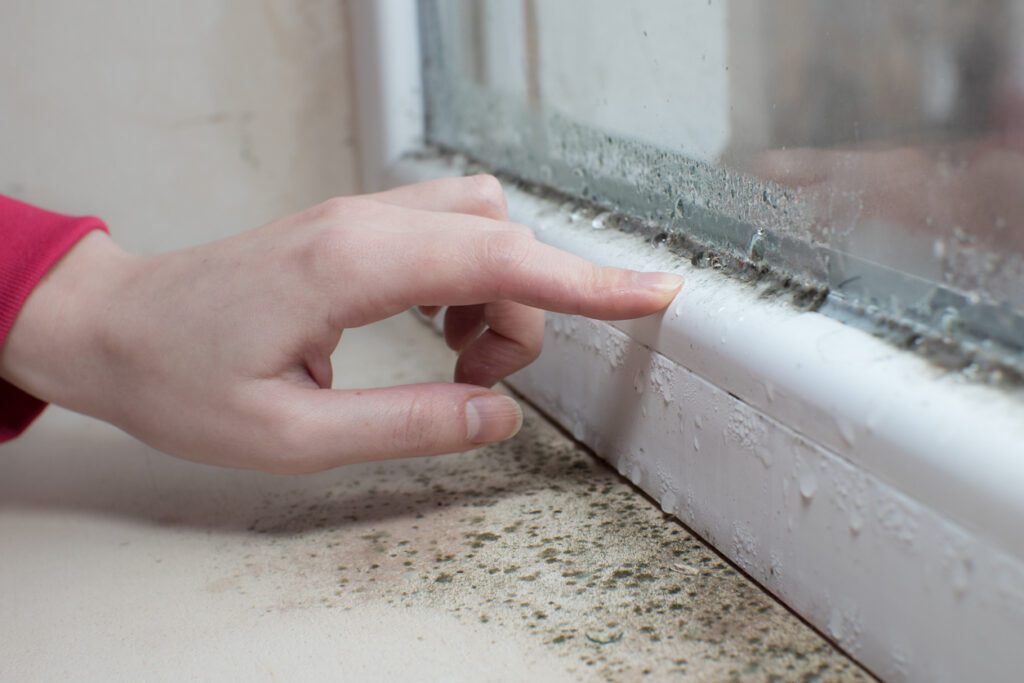
Older buildings were designed to “breathe” naturally — a concept that allowed air to flow freely through walls and floors. However, this lack of a closed system means that, today, old buildings can often suffer from poor ventilation. With the advent of energy-efficient windows, double glazing, and tighter sealing, older homes have become less breathable, trapping moisture inside. As a result, condensation — one of the leading causes of mould — builds up in rooms like kitchens and bathrooms, where high humidity is common.
Additionally, these older buildings lack the modern extractor fans, mechanical ventilation systems, and dehumidifiers that are now standard in new constructions. Without proper airflow to remove excess moisture, mould can quickly take hold.
2. Dampness and Leaks from Aging Infrastructure
Old buildings in London have also had to endure years of wear and tear. Roofs may be leaking, gutters may be clogged, and pipes may be deteriorating. These structural issues can cause water to infiltrate walls, ceilings, and floors, creating the ideal environment for mould to grow.
The materials used in old buildings, like plaster and wood, can absorb water more easily than modern materials, which can allow moisture to remain trapped for longer periods. As a result, any small leaks or damp patches can become breeding grounds for mould, especially in colder months when heating systems exacerbate condensation.
3. Cold, Damp Walls and Insulation Issues
Older homes often suffer from poor insulation. During their original construction, insulation standards were far less stringent than they are today. This means that cold spots are common throughout the building, especially along external walls, around windows, and in basements or attics. These cold areas are prone to condensation, as the temperature difference between the outside and inside causes moisture in the air to condense on the surface of walls.
While modern insulation helps to maintain a constant temperature and reduces the chances of condensation, old buildings may lack sufficient insulation to prevent damp conditions. This leads to increased vulnerability to mould growth, particularly during colder months.
4. Internal Changes and Modern Renovations
Many old buildings have undergone renovations or updates over the years, such as new bathrooms, kitchens, or converted lofts. While these updates can improve the livability of the building, they may inadvertently create conditions conducive to mould. For example, old buildings often have solid walls, which were not originally designed to accommodate modern living practices like multiple bathrooms or kitchen units. As more water and humidity are generated within the building, without sufficient ventilation or moisture control, mould can become a serious issue.
Additionally, renovations that fail to address issues like inadequate damp proofing or insufficient airflow can exacerbate pre-existing problems. Simply put, an update to a period property might solve aesthetic or functional issues, but it can also introduce new conditions that allow mould to grow.
The Health and Financial Impact of Mould in London’s Old Buildings
The growth of mould in homes is not only a cosmetic issue; it can have serious health consequences. Prolonged exposure to mould spores can lead to respiratory problems, allergies, asthma, and other health issues, particularly for children, the elderly, or those with weakened immune systems.
In London, where housing costs are already high, the financial impact of mould can also be significant. For tenants, the presence of mould in a property may lower their quality of life and lead to medical costs. For landlords, failing to address mould can damage the property and lead to expensive repairs, along with potential legal issues if tenants are forced to vacate due to an uninhabitable living environment.
For homeowners, untreated mould can severely reduce the property’s market value. When selling, potential buyers are likely to be put off by visible mould, and a property survey may reveal hidden moisture problems that could cost thousands to remedy.
What Can You Do to Combat Mould in Old Buildings?
Mould problems in old buildings are manageable if addressed properly. Here are some of the most effective steps that homeowners, tenants, and landlords can take to reduce or eliminate mould in these properties:
1. Improve Ventilation
As mentioned earlier, improving ventilation is one of the most important steps to prevent mould. Open windows regularly to allow fresh air to circulate, particularly after showering or cooking. Ensure that any ventilation fans — particularly in kitchens and bathrooms — are working properly and are large enough to handle the moisture levels generated by daily activities.
For properties with persistent ventilation issues, consider installing a Positive Input Ventilation (PIV) system. These systems introduce fresh, filtered air into your home and help to maintain a balanced, moisture-free environment. Experts like Mould Removals North West can help assess your home’s ventilation needs and provide professional installation.
2. Check for Leaks and Repair Damaged Infrastructure
Repairing leaks is essential to combat mould. Inspect the roof, windows, and plumbing regularly for signs of leaks or water damage. Make sure that gutters are clear and downpipes are functioning properly to direct water away from the building.
If your building suffers from rising dampness (which is common in older structures), it may be worth considering a professional damp-proof course (DPC) installation or treatment to stop moisture from penetrating through the walls.
3. Use Mould-Resistant Materials
If you’re undertaking any renovations or repairs, consider using mould-resistant materials. For example, when re-plastering walls, use special mould-resistant plaster. If you’re replacing flooring, choose tiles or materials less likely to absorb moisture.
Additionally, applying anti-mould paints to walls and ceilings, particularly in bathrooms and kitchens, can help prevent mould growth.
4. Use Professional Mould Removal Services
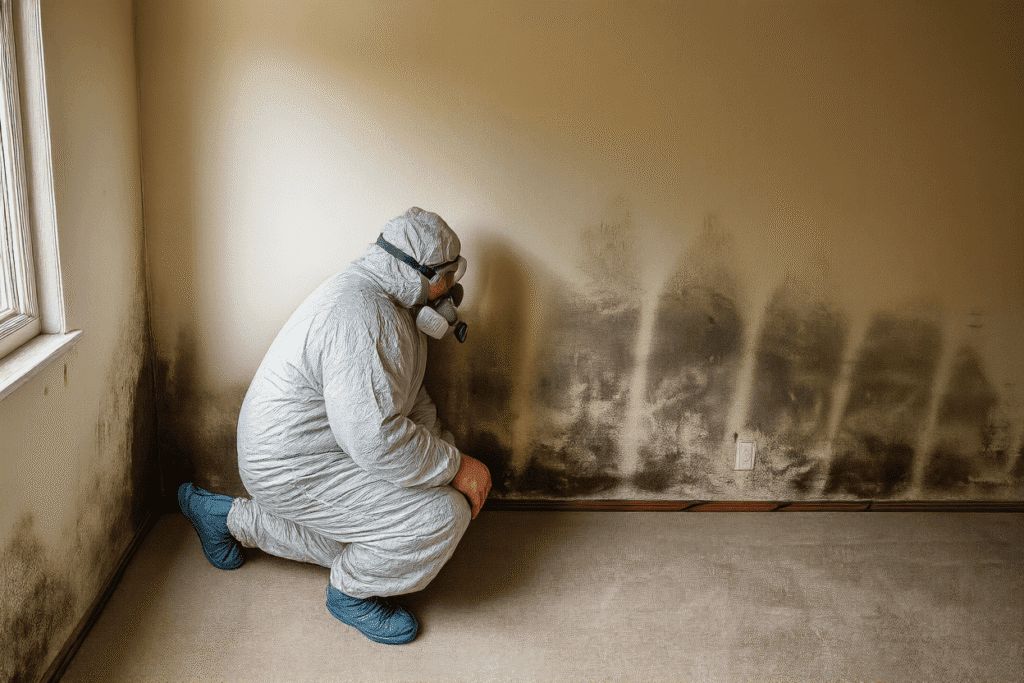
For properties already suffering from mould problems, calling in a professional mould removal service is highly recommended. Companies like Mould Removal North West can assess the extent of the mould infestation and employ safe, effective techniques for removal.
In addition to mould removal, these professionals can also recommend long-term solutions like PIV systems, dehumidifiers, or the application of Thermokote to prevent future mould growth.
London’s old buildings are brimming with history and charm, but they also present unique challenges when it comes to modern-day issues like mould. From poor ventilation and ageing infrastructure to cold, damp walls, these homes are particularly vulnerable to mould growth. However, with the right approach — including proper ventilation, moisture control, and professional mould removal services — mould can be effectively managed and prevented.
If you’re dealing with mould issues in your London property, Mould Removal North West is here to help with their mould removal services in London. Contact them today for expert advice and solutions tailored to your home’s specific needs.