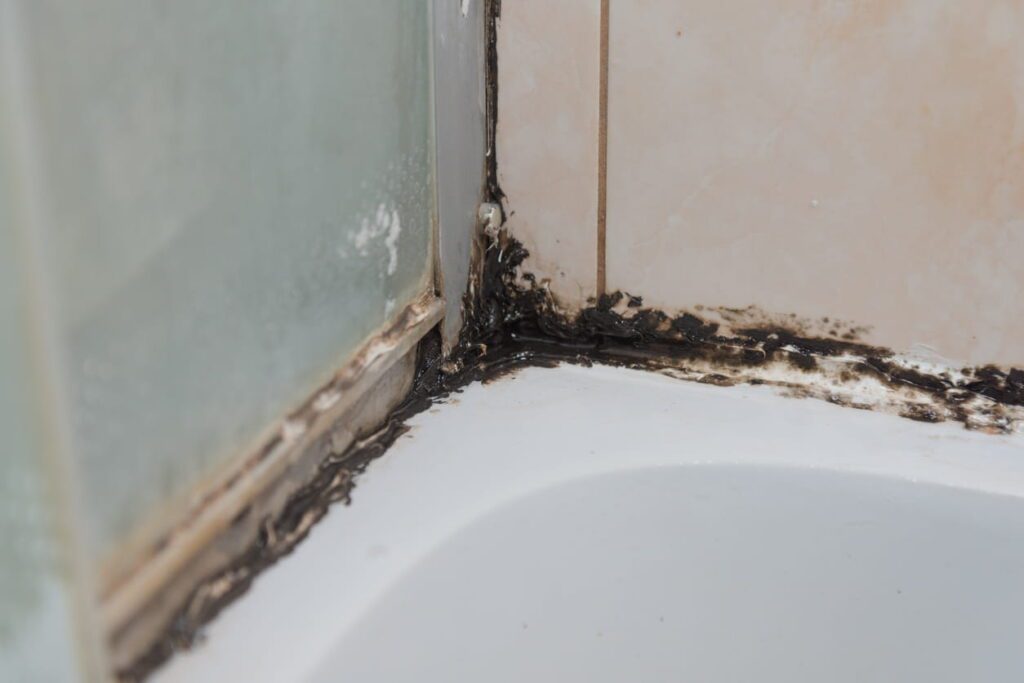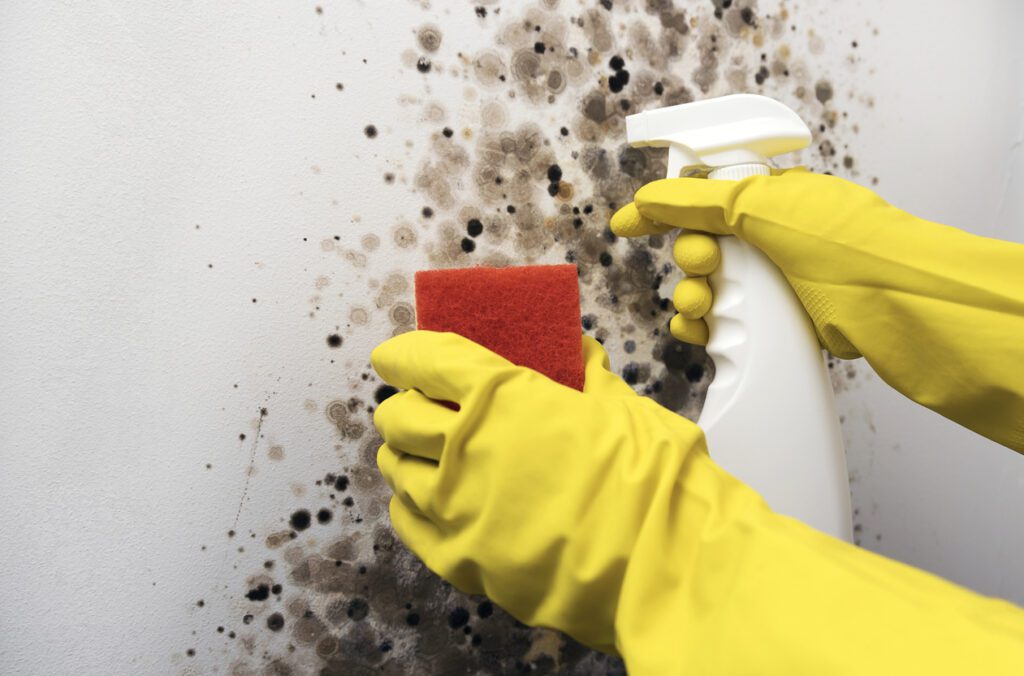
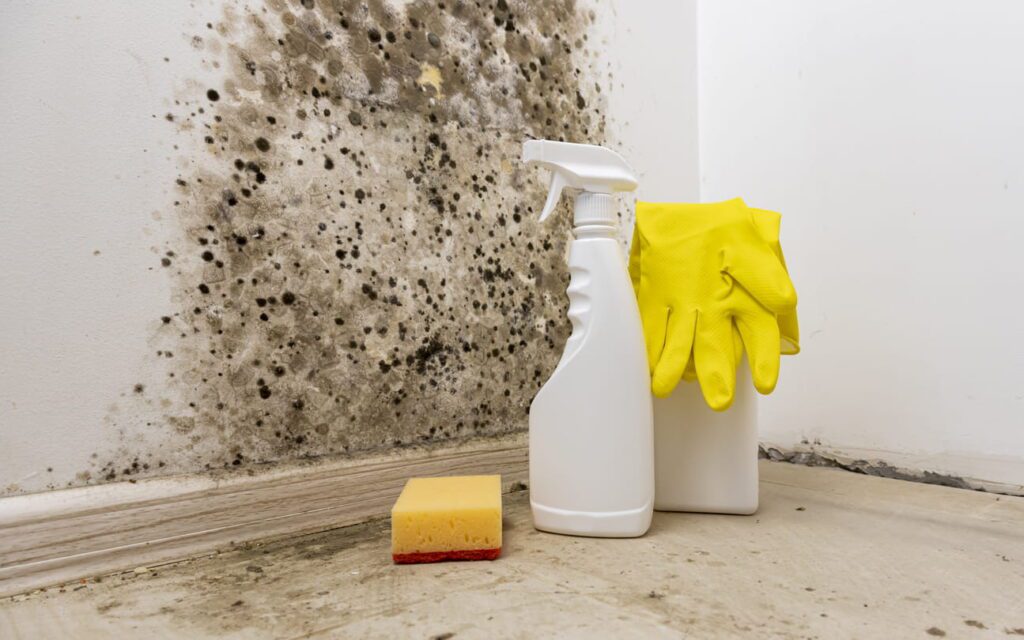
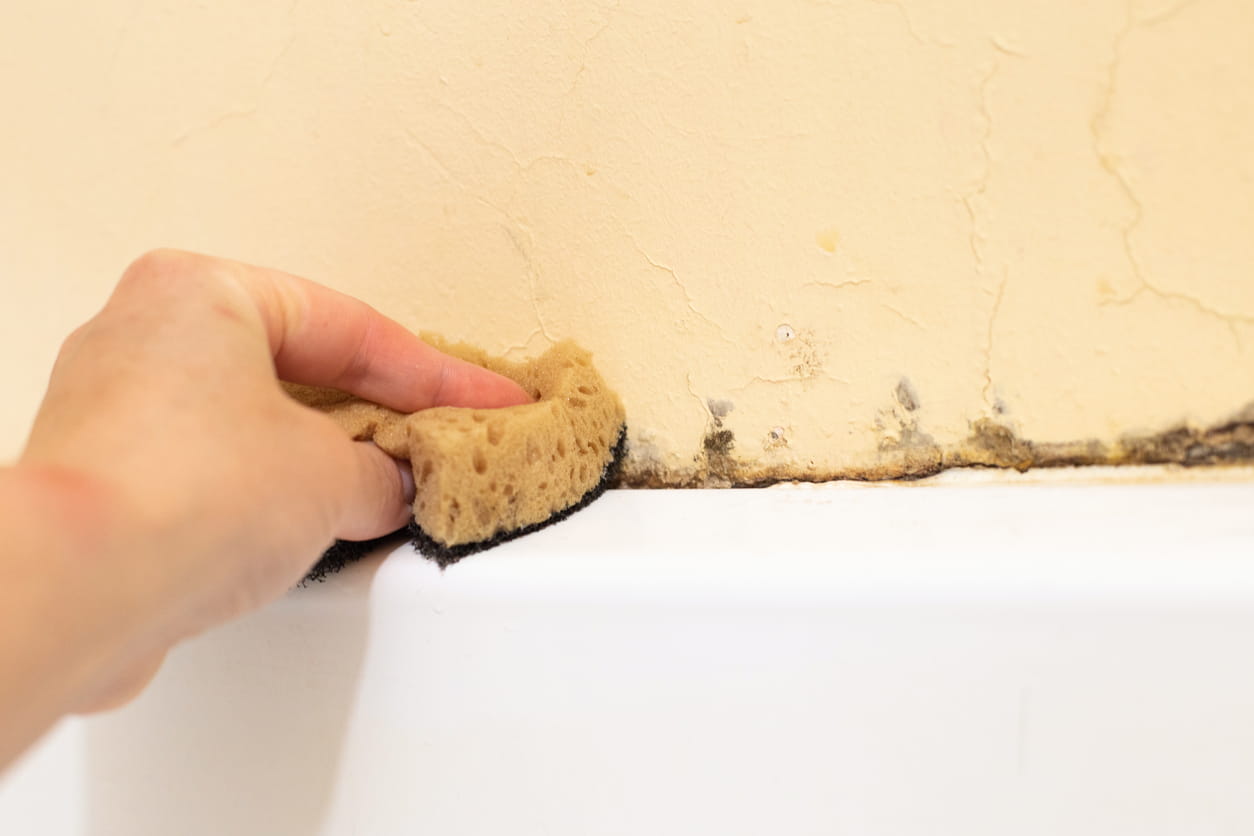
If you’ve cleaned black mould from a wall or ceiling only to see it return a few weeks later, you’re probably wondering why it keeps happening. The marks may disappear, but that doesn’t mean the problem has been resolved. When the conditions that allowed mould to grow remain, fresh patches can develop in the same places.
At Mould Removal Northwest, we help homeowners dealing with recurring black mould. Understanding why it returns is an important part of tackling it properly. From condensation around windows to hidden leaks, there can be several reasons why cleaning alone hasn’t given you the result you expected.
What Makes Black Mould Return in the Same Places?
Black mould needs moisture to grow. If a wall, ceiling or window frame regularly becomes damp, it can continue to support mould growth after the visible marks have been removed. The affected surface may look better temporarily while the moisture problem continues.
Mould spores occur naturally indoors and outdoors. Their presence alone doesn’t explain a recurring patch. The important question is why that particular part of your home remains damp enough for growth. Common reasons include:
- Condensation forming on cold walls and windows.
- Inadequate ventilation in bathrooms and kitchens.
- Leaks affecting walls, ceilings or flooring.
- Restricted airflow behind wardrobes and furniture.
- Cold areas caused by gaps in insulation.
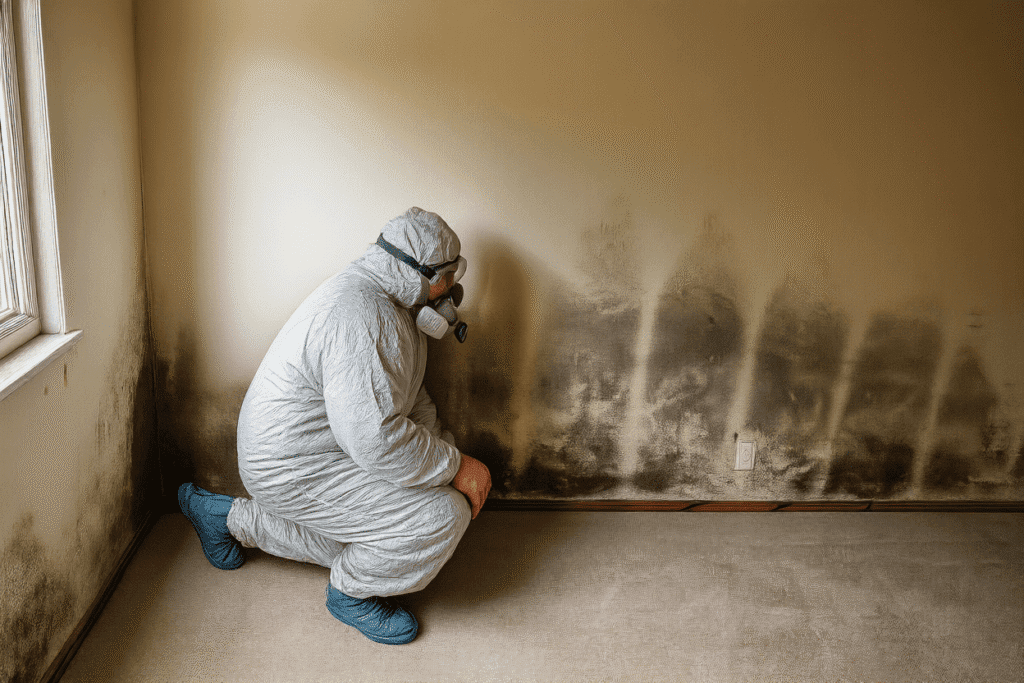
At Mould Removal Northwest, we look beyond the visible patches to assess what may be contributing to the problem. Identifying those conditions helps establish what needs attention alongside professional treatment.
Condensation Keeps Surfaces Damp
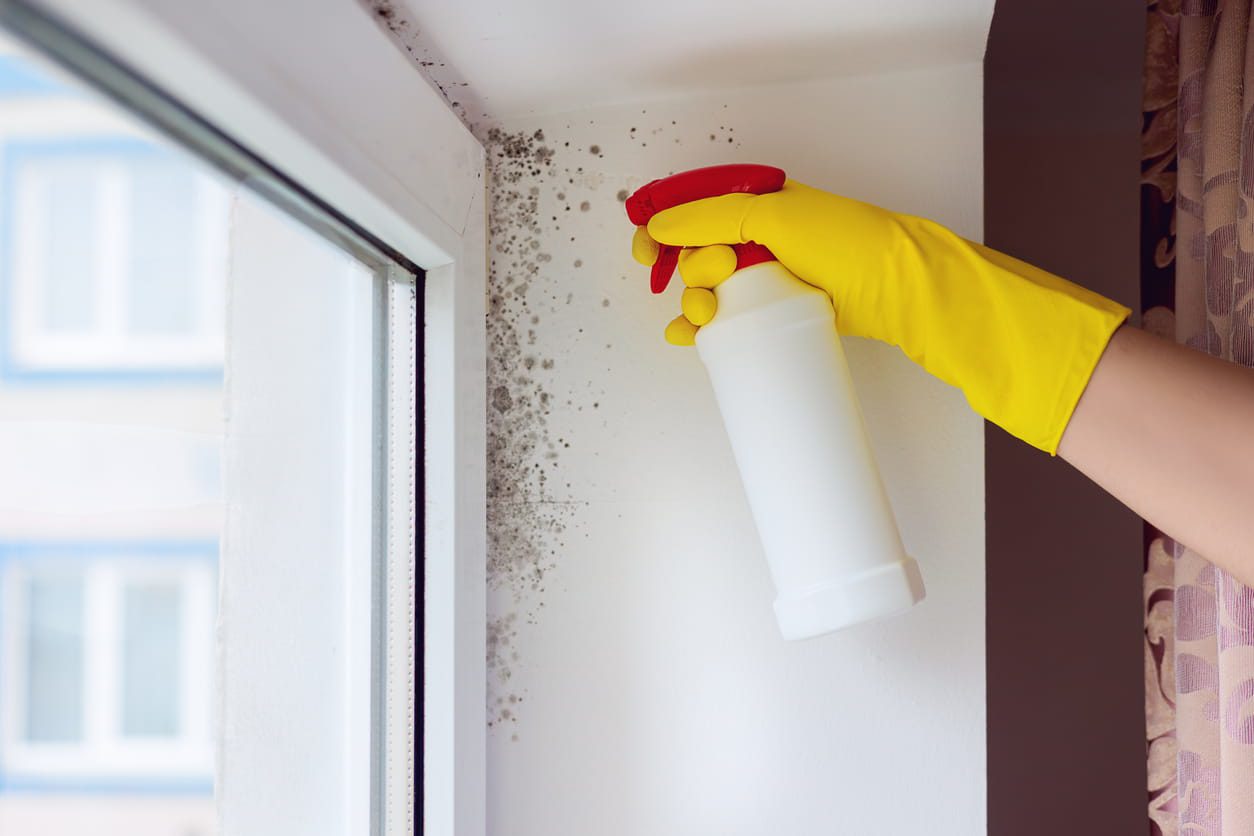
Condensation happens when moist air meets a surface cold enough for water droplets to form. You might notice it on bedroom windows each morning, but it can also affect walls, ceilings and corners. These damp surfaces can provide suitable conditions for black mould.
Cooking, showering and drying clothes indoors all add moisture to the air. These are normal household activities, but problems can develop when the building cannot manage that moisture effectively. This helps explain why mould can return even when a room is regularly cleaned.
Poor Ventilation Allows Moisture to Build Up
A room can look clean and still have a ventilation problem. When moist air cannot escape effectively, humidity can remain high, increasing the likelihood of condensation. Bathrooms, kitchens and utility rooms are common trouble spots because moisture is regularly produced there.
An extractor fan that isn’t working effectively, blocked ventilation or changes to the property can all affect airflow. In kitchens, suitable extractor fan installation can help remove moisture produced during cooking. Recurring mould may indicate that the existing ventilation needs assessing, with the right approach depending on your property.
Hidden Leaks Can Keep Feeding the Problem
Not all recurring black mould is caused by condensation. A leaking pipe, damaged roof covering or water entering around a window can leave building materials damp. Sometimes the affected area is obvious, but smaller leaks may remain unnoticed behind fittings or within the building.
If mould repeatedly appears in one particular place, the source of moisture needs to be investigated. Staining, damaged decoration or a patch that worsens after rain can provide useful clues. Professional mould treatment needs to be considered alongside any necessary repairs to address the water source.
Cold Spots and Restricted Airflow Encourage Growth
Have you noticed black mould returning behind a wardrobe or in the corner of a bedroom? These areas can have colder surfaces and less air movement than the rest of the room. Furniture positioned close to an external wall can make the space behind it particularly vulnerable.
Insulation gaps and thermal bridges, where heat escapes more readily through part of the building, can also create cold spots. This is why mould sometimes follows a pattern along a ceiling edge or around a window. The location can help explain the cause.
Professional Assessment Helps Identify What Needs to Change
Repeatedly seeing black mould return can be frustrating, especially when you’ve spent time trying to keep your home looking clean. Recurrence doesn’t automatically mean you haven’t cleaned thoroughly enough. It can indicate an unresolved issue with moisture, ventilation or the condition of the building.
Our mould remediation service brings these factors together. Alongside examining the affected areas, we assess the moisture conditions and help establish whether ventilation improvements, repairs or further investigation may be needed. Government guidance also stresses the importance of addressing underlying causes rather than relying on surface treatment alone.
Contact Mould Removal Northwest Today To Tackle Your Black Mould Issues
If black mould keeps returning in your home, Mould Removal Northwest can help you understand what’s happening. We provide professional mould treatment and assess the conditions that may be allowing it to develop, with clear advice about the next steps for your property.
Contact Mould Removal Northwest today to discuss the affected areas and arrange a quote. Whether the problem is around your windows, across a bathroom ceiling or behind bedroom furniture, we’ll explain how we can help and whether other issues need investigating alongside treatment.