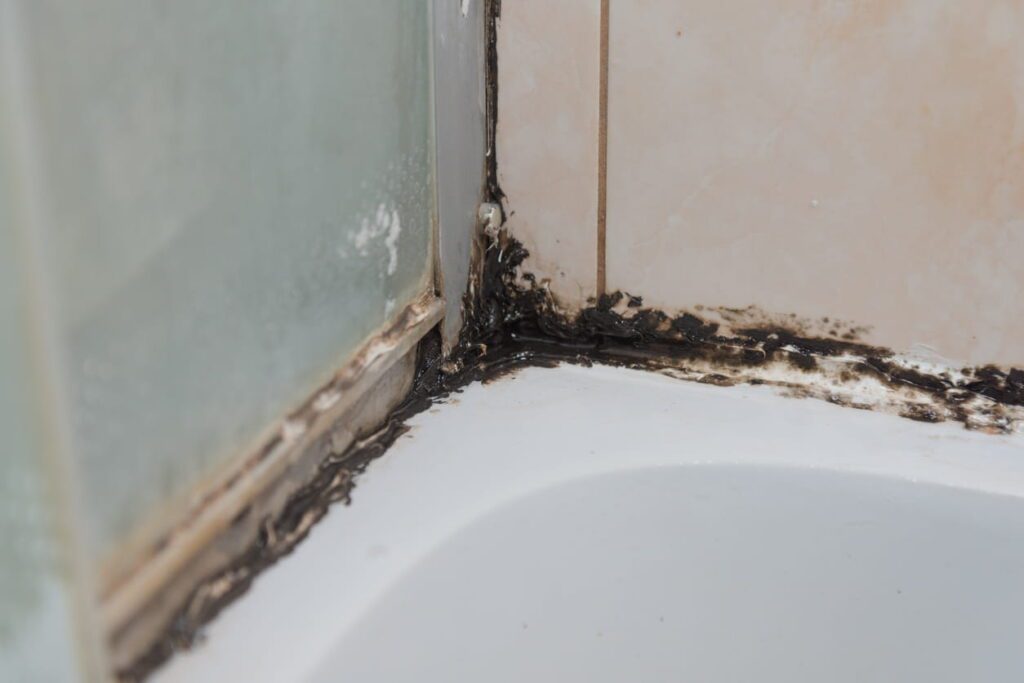
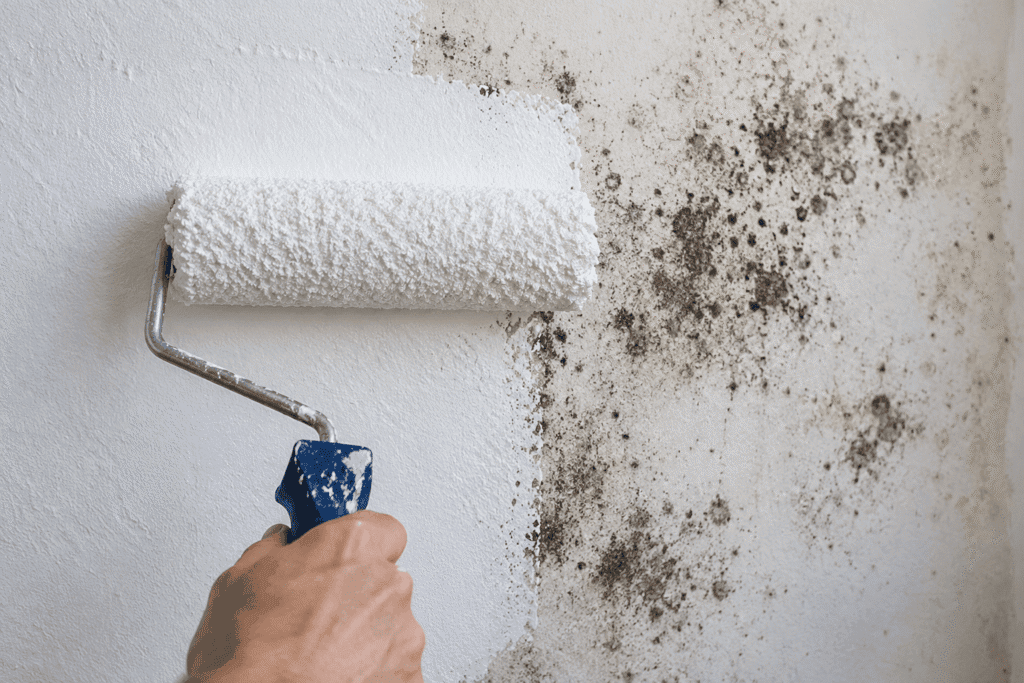
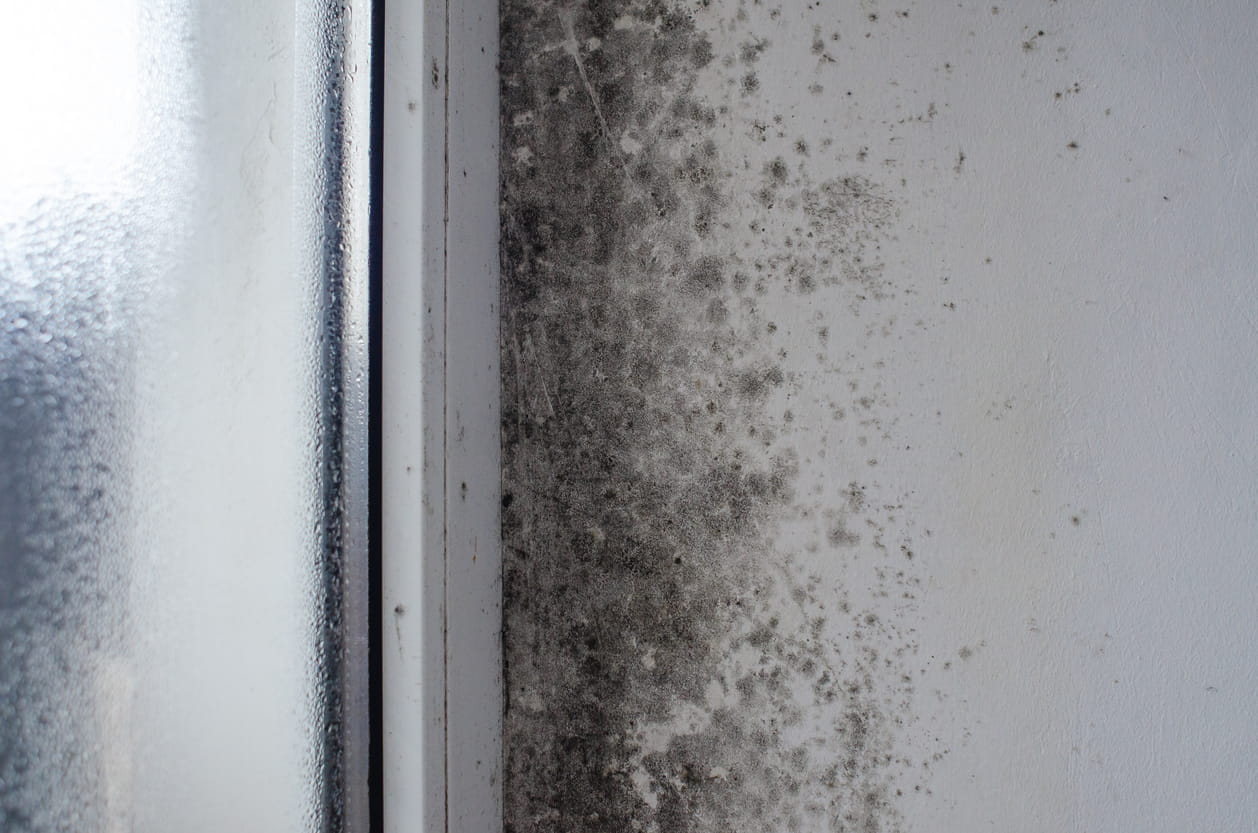
If you’ve spotted black mould on your walls or ceiling, painting over it might seem like a quick way to improve the room. A fresh coat can hide dark marks, but it won’t resolve the mould problem or the moisture allowing it to grow.
Black mould should be professionally assessed and treated before you redecorate. Otherwise, you could find the patches returning through your new paint, leaving you facing the same problem and another decorating bill.
At Mould Removal Northwest, we help homeowners dealing with black mould in bedrooms, bathrooms and other affected areas. We look beyond the visible marks to understand what may be causing the problem and explain what needs attention before painting becomes a sensible next step.
Painting Over Black Mould Only Hides the Problem
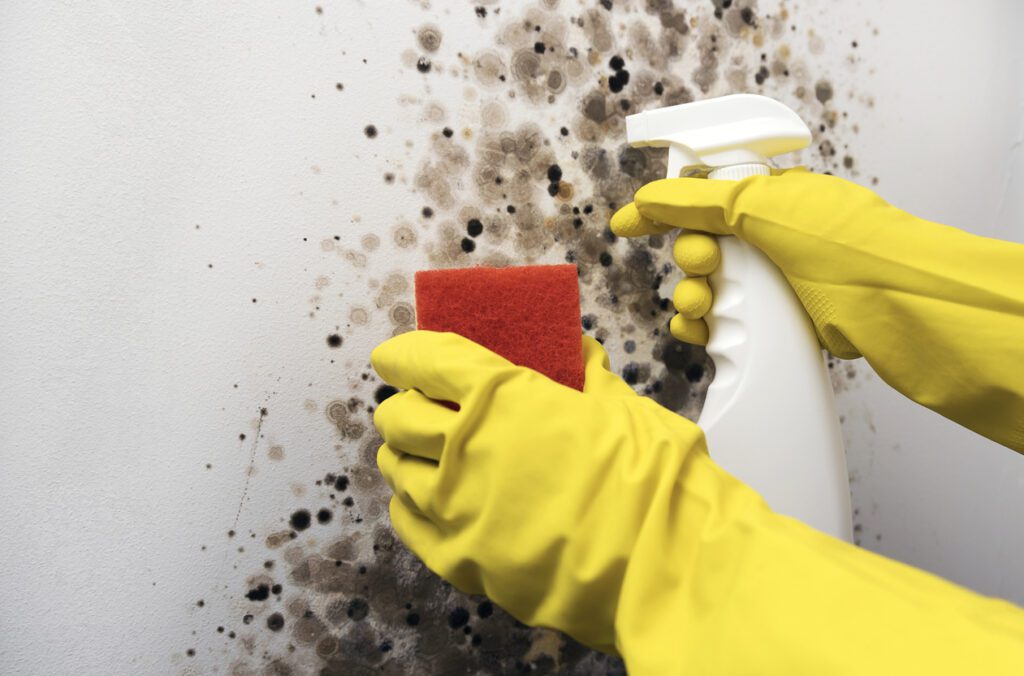
Ordinary paint is a decorative finish, not a mould treatment. Covering a patch changes its appearance without necessarily dealing with the growth underneath. Even if the wall looks clean afterwards, the conditions that supported the mould may still be present. Paint alone does not kill mould.
This can make it harder to judge whether the problem is getting worse. A newly painted surface may temporarily conceal affected areas, while dampness persists beneath the finish. The important question is why the mould developed and whether that cause has been addressed.
Why Does Black Mould Come Back Through Paint?
Black mould can return when moisture remains available on or within the affected surface. Condensation, inadequate ventilation and leaks can all contribute. Painting over the area doesn’t repair a leaking pipe, improve extraction or change a persistently cold wall.
The pattern of returning mould can provide clues about the problem. For example, patches around windows may develop under different conditions than those in a damp area beneath a bathroom. Common places where homeowners notice recurring mould include:
- Bedroom corners and external walls.
- Bathroom ceilings above showers.
- Window frames, reveals and surrounding plaster.
- Walls behind wardrobes and large furniture.
- Areas affected by plumbing or roof leaks.
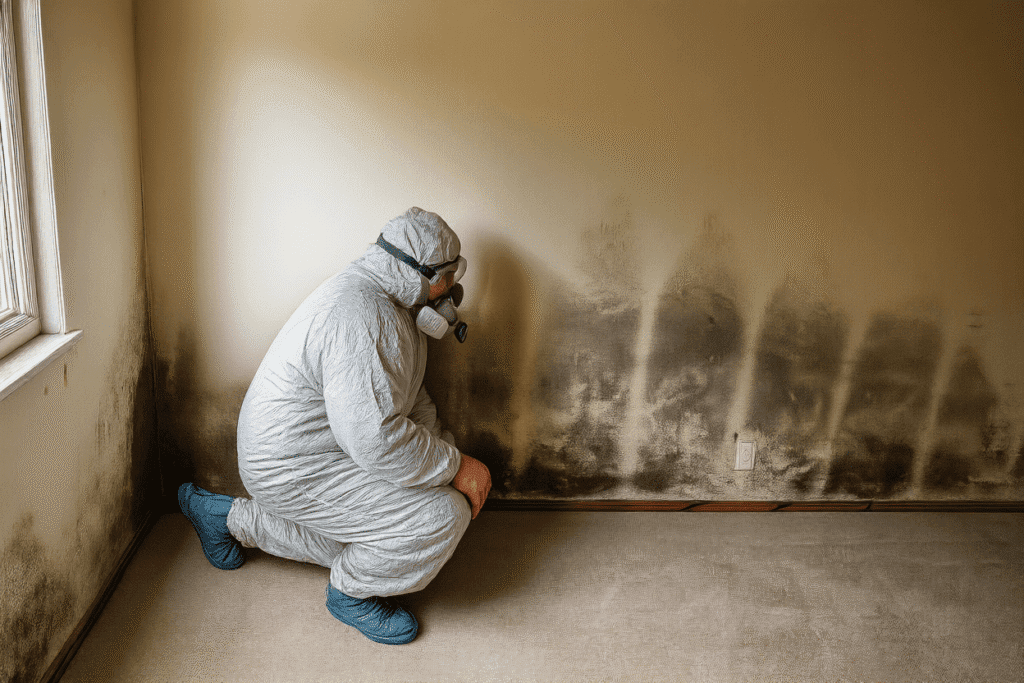
At Mould Removal Northwest, our mould remediation service includes assessing affected areas and investigating the conditions behind recurring growth. Understanding where mould appears and when it returns helps establish whether treatment, ventilation improvements or further investigation may be needed.
Will Anti-Mould Paint Solve the Problem?
Anti-mould paint can help resist mould growth on a suitably prepared surface. However, it isn’t a replacement for dealing with existing mould. Paint manufacturers distinguish between treating affected surfaces and applying a finish designed to help prevent new growth.
It also cannot resolve every moisture issue in a property. If water is entering through damaged building materials or condensation regularly forms on the wall, those conditions still need attention. Choosing a specialist paint without understanding the cause can leave you disappointed when the problem returns.
Can You Paint Once the Black Mould Has Been Treated?
Redecoration may be appropriate once professional treatment is complete, the underlying moisture problem has been addressed, and the surface is suitable for painting. There isn’t one waiting period that applies to every property. The condition of the wall and any necessary repairs will affect the timing.
A wall recovering from a leak may need a different approach from a bathroom ceiling affected by condensation. Some surfaces may also need repair before decorating. Getting clear advice about the affected area helps avoid spending money on a finish before the property is ready.
When Should You Arrange Professional Mould Removal?
Professional assessment is worth considering when black mould keeps returning, affects several areas or has an unclear cause. It can also help when you’re planning to decorate but aren’t sure whether the marks indicate an ongoing problem. Signs that deserve attention include:
- Mould reappearing after previous cleaning or painting.
- A persistent musty smell in the room.
- Dark patches spreading across walls or ceilings.
- Damp staining, peeling wallpaper or bubbling paint.
- Growth in areas that are difficult to inspect.
These signs don’t all point to the same cause. An assessment helps separate the visible mould from the underlying conditions, giving you a clearer understanding of what needs to happen next. Where appropriate, atmospheric fogging treatment may form part of our professional service alongside treatment of affected surfaces and attention to the moisture source.
For Professional Mould Removal, Contact Mould Removal Northwest
If you’re wondering whether you can paint over black mould, speak to Mould Removal Northwest before covering the affected area. We provide professional mould treatment and assess conditions that may be contributing to growth, offering straightforward advice on the next steps for your home.
Contact Mould Removal Northwest today to discuss your black mould issues and arrange a quote. Whether you’ve noticed a small recurring patch or mould in a single room or across several rooms, we’ll explain how our team can help and whether further investigation or repairs may be needed alongside treatment before you redecorate.